



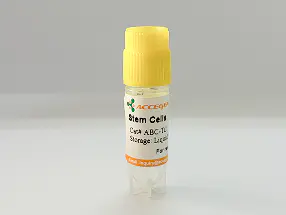
For research use only
| Cat No. | ABC-SC0114T |
| Product Type | Human iPSCs |
| Cell Type | Cardiac Cell |
| Species | Human |
| Growth Conditions | 37 ℃, 5% CO2 |
| Source Organ | iPSC |
| Disease | Normal |
| Storage | Liquid Nitrogen |
Utilize HighQC™ Human IPSC-Derived Cardiac Cells: I-HCm to explore cardiac electrophysiology, drug cardiotoxicity, and regenerative applications.
HighQC™ Human iPSC-Derived Cardiac Cells (I-HCm) are differentiated from integration-free human induced pluripotent stem cells (hiPSCs). These cells are not purified through genetic selection, thereby avoiding the risk of genotoxic stress associated with molecular manipulation. Morphologically, I-HCm cells exhibit cardiomyocyte-like features and typically grow as adherent cells forming interconnected cellular networks. After plating at the recommended density, the cells will show spontaneous synchronized beating, and will express typical cardiomyocyte markers, such as the contractile proteins cardiac troponin T (cTNT) and sarcomeric alpha actinin (SaAct). The cells undergo rigorous screening and isolation procedures, and are rigorously tested to ensure they are free of contamination from HIV-1, HBV, HCV, Syphilis, Mycoplasma, Fungi, Yeast, and Bacteria.
| Product Code | HighQC™ Human IPSC-Derived Cardiac Cells: I-HCm, hIPSC-Cardiac, Human IPSC-Derived Cardiac Cells |
| Species | Human |
| Cat.No | ABC-SC0114T |
| Product Category | Stem Cells |
| Size/Quantity | 1 vial |
| Cell Type | Cardiac Cell |
| Growth Mode | Adherent |
| Shipping Info | Dry Ice |
| Growth Conditions | 37 ℃, 5% CO2 |
| Source Organ | iPSC |
| Disease | Normal |
| Storage | Liquid Nitrogen |
| Product Type | Human iPSCs |
HighQC™ Human iPSC-Derived Cardiac Cells (I-HCm), also known as iPSC-derived cardiomyocytes (iCM), provide a physiologically relevant platform for evaluating cardiomyocyte-specific responses, such as contractility, electrophysiological activity, and cellular metabolism under controlled experimental conditions. In cardiac disease modeling, I-HCm cells enable the investigation of disease-associated phenotypes and molecular mechanisms relevant to myocardial dysfunction. In addition, they are suitable for assessing potential cardiotoxic effects of compounds by monitoring changes in cell viability, beating behavior, and cardiac marker expression, supporting preclinical safety evaluation and drug discovery research.
When you publish your research, please cite our product as "AcceGen Biotech Cat.# XXX-0000". In return, we’ll give you a $200 coupon. Simply click here and submit your paper’s PubMed ID (PMID).
Kussauer S, David R, Lemcke H. hiPSCs Derived Cardiac Cells for Drug and Toxicity Screening and Disease Modeling: What Micro- Electrode-Array Analyses Can Tell Us. Cells. 2019;8(11):1331. Published 2019 Oct 28. doi:10.3390/cells8111331