



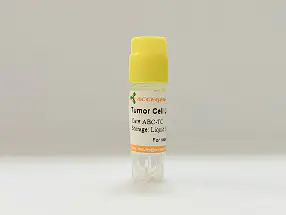
Tumor Cell Lines

NUGC-4

  • For research use only

Cat No.

ABC-TC0862

Product Type

Human Gastric Cancer Cell Lines

Species

Human

Growth Conditions

37 ℃, 5% CO2

Source Organ

Lymph Node

Product Code

NUGC4; NU-GC-4

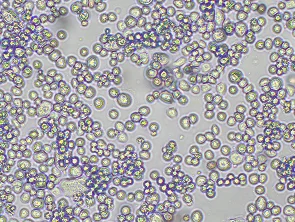
NUGC-4 gastric cancer cells from Japanese female show epithelial morphology,anchorage-independent growth,unique IL-1α expression, ideal for tumor studies.

Product Image

Description

NUGC-4 cell line is a human gastric cancer model derived from metastatic lymph node tissue of a 35-year-old Japanese female with poorly differentiated adenocarcinoma containing signet ring cell components. These epithelial-like cells exhibit spherical morphology with predominant adherent growth (occasional free-floating cells) and demonstrate anchorage-independent proliferation, confirming their tumorigenic potential. They maintain a stable karyotype (modal chromosome number 52-54 in vitro, 53 in vivo) and rapid doubling time under standard culture condition. Additionally, NUGC-4 lacks IL-1α mRNA expression – a characteristic feature of its diffuse-type gastric cancer origin – making it particularly valuable for studying IL-1-independent inflammatory pathways in tumor microenvironments. This cell line’s aggressive phenotype, combined with its unique molecular profile (including E-cadherin methylation), establishes it as an ideal system for investigating gastric cancer metastasis, drug resistance mechanisms, and tumor-stroma interactions in both in vitro and in vivo models.

Product Code

NUGC4; NU-GC-4

Species

Human

Cat.No

ABC-TC0862

Product Category

Tumor Cell Lines

Size/Quantity

1 vial

Shipping Info

Dry Ice

Growth Conditions

37 ℃, 5% CO2

Source Organ

Lymph Node

Biosafety Level

1

Storage

Liquid Nitrogen

Product Type

Human Gastric Cancer Cell Lines

Application

  • NUGC-4 is widely used to identify key factors in gastric cancer formation and targets for anti-cancer drugs. Epidermal growth factor (EGF) strongly activates the tyrosine phosphorylation in NUGC-4. Phosphatidylinositol 3-kinase (PI 3-kinase), mainly activated by tyrosine kinases, was precipitated with anti-phosphotyrosine antibodies. Exogenous hepatocyte growth factor can stimulate the proliferation of NUGC-4, and MET tyrosine kinase inhibitors inhibited this proliferation of NUGC-4. Investigation of NUGC-4 and its interactions with growth factors may guide gastric cancer signaling pathways and therapeutic target identification.

Citation

When you publish your research, please cite our product as “AcceGen Biotech Cat.# XXX-0000”. In return, we’ll give you a $200 coupon. Simply click here and submit your paper’s PubMed ID (PMID).

Frequently Asked Questions

  • What are NUGC-4 cells and their primary use in research?

    NUGC-4 cells are a human gastric cancer cell line derived from a poorly differentiated adenocarcinoma. They are widely used in cancer research, particularly for studies focused on gastric carcinoma, drug screening, and understanding cancer cell biology.

  • What are common issues encountered with NUGC-4 cell culture and how can I troubleshoot them?

    Slow Growth: Ensure regular medium change, check for contamination, and avoid over-confluency.

    Poor Attachment: Use properly coated culture flasks and high-quality serum.

    Cell Death: Maintain optimal culture conditions, verify reagents are non-toxic, and handle cells gently.

  • What is the morphology Characteristics of NUGC-4 cells?

    Cell Shape: NUGC-4 cells are epithelial-like in morphology. They typically appear as polygonal or slightly elongated cells when observed under a microscope.

    Adherence: They adhere well to the surface of culture flasks, forming a cobblestone-like pattern characteristic of epithelial cells.

    Cytoplasm and Nucleus: The cells have a well-defined cytoplasm and prominent nuclei, which are indicative of their active proliferative state.

Inquiring NUGC-4

We know how valuable your research is to you, but are you wondering what you can expect to pay for quick accurate results every time? Fill out a request in the form below and we’ll get back to you within 24 hours with a quote.
High Viability
To succeed in cell culture
Precision and Reliability
To support a consistent result
Customization Options
Tailed to your research

Tags

AcceGen Scroll Top Button