- In-Stock Tumor Cell Lines
- Human Orbital Fibroblasts
- Human Microglia
- Human Pulmonary Alveolar Epithelial Cells
- Human Colonic Fibroblasts
- Human Type II Alveolar Epithelial Cells
- Human Valvular Interstitial Cells
- Human Thyroid Epithelial Cells
- C57BL/6 Mouse Dermal Fibroblasts
- Human Alveolar Macrophages
- Human Dermal Fibroblasts, Adult
- Human Lung Fibroblasts, Adult
- Human Retinal Muller Cells
- Human Articular Chondrocytes
- Human Retinal Pigment Epithelial Cells
- Human Pancreatic Islets of Langerhans Cells
- Human Kidney Podocyte Cells
- Human Renal Proximal Tubule Cells
Parkinson’s disease (PD) is the fastest-growing neurological disorder in the world, affecting over 10 million people globally. It is characterized by the progressive degeneration of dopamine-producing neurons in the brain, leading to tremors, muscle rigidity, balance problems, and cognitive decline. While advances in treatment can help manage symptoms, questions around Parkinson's disease life expectancy remain a critical concern for patients and families. To change this outlook, advancing research is essential—not only to improve symptom management but also to develop curative and preventive strategies.
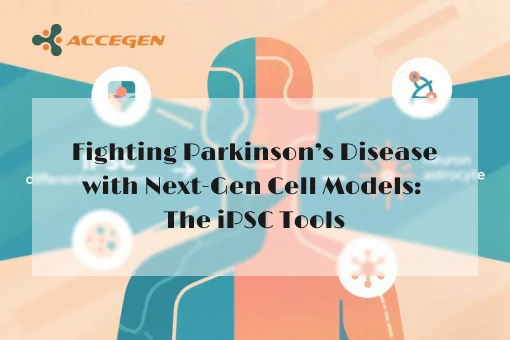
One of the most transformative tools in PD research is the use of induced pluripotent stem cells (iPSCs). These reprogrammed adult cells can differentiate into nearly any cell type, including the midbrain dopaminergic neurons primarily affected by Parkinson’s disease. By modeling the disease directly in human cells, iPSCs allow researchers to explore genetic signatures unique to each patient, study disruptions in dopaminergic pathways, and identify more targeted therapeutic approaches.
Recent breakthroughs highlight the value of this approach. For example, a promising Parkinson’s drug candidate was developed using iPSC-derived dopaminergic neurons from a patient with the LRRK2 mutation. The compound successfully reversed disease-related cellular defects, offering a glimpse into how iPSCs can accelerate drug discovery and move personalized therapies closer to reality. Moreover, iPSC-based models allow researchers to test strategies that may help protect neurons, restore dopamine signaling, and reduce neuroinflammation—a major driver of neurodegeneration in PD.
AcceGen: Supporting Parkinson’s Breakthroughs with Advanced Cell Tools
At AcceGen, we are committed to supporting Parkinson’s disease research with advanced cellular models. Our HighQC™ Human iPS Cell (Parkinson) lines—derived from PBMCs, adipose tissue, and fibroblasts of patients carrying genetic forms of PD—offer a robust platform for studying disease mechanisms, evaluating drug responses, and exploring regenerative medicine strategies. These iPSCs enable researchers to replicate disease conditions, test potential therapies, and uncover critical insights into dopaminergic pathways.
To further support research, we also provide:
Human Dopaminergic Neurons – Ideal for studying dopamine signaling, oxidative stress, and neurotoxicity.
Human Astrocyte (Brain Stem; Cerebella; Hippocampus; Midbrain) – A powerful tool for exploring glial support functions and how therapies might reduce neuroinflammation in PD progression.
These complementary models, combined with our patient-derived iPSCs, enable researchers to construct human-relevant and reproducible platforms for drug screening, mechanistic studies, and even 3D brain organoid engineering.
Advancing Toward a Cure
By integrating next-generation iPSC technology with high-quality cell models, AcceGen provides essential tools to drive PD research forward. With these resources, scientists can explore how to slow neurodegeneration, enhance quality of life, and ultimately extend Parkinson's disease life expectancy. Together, we can accelerate the path toward better treatments—and bring hope to millions of patients and families worldwide.
Explore our cell lines @
https://www.accegen.com/search/?q=Human+iPSC

Copyright - Unless otherwise stated all contents of this website are AcceGen™ All Rights Reserved – Full details of the use of materials on this site please refer to AcceGen Editorial Policy – Guest Posts are welcome, by submitting a guest post to AcceGen you are agree to the AcceGen Guest Post Agreement – Any concerns please contact marketing@accegen.com