- In-Stock Tumor Cell Lines
- Human Orbital Fibroblasts
- Human Microglia
- Human Pulmonary Alveolar Epithelial Cells
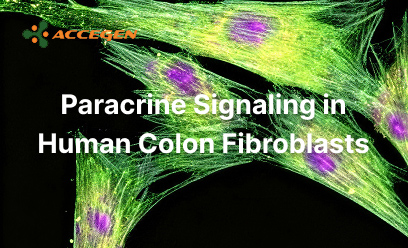
- Human Colonic Fibroblasts
- Human Type II Alveolar Epithelial Cells
- Human Valvular Interstitial Cells
- Human Thyroid Epithelial Cells
- C57BL/6 Mouse Dermal Fibroblasts
- Human Alveolar Macrophages
- Human Dermal Fibroblasts, Adult
- Human Lung Fibroblasts, Adult
- Human Retinal Muller Cells
- Human Articular Chondrocytes
- Human Retinal Pigment Epithelial Cells
- Human Pancreatic Islets of Langerhans Cells
- Human Kidney Podocyte Cells
- Human Renal Proximal Tubule Cells
A new year often brings a quiet but important question for researchers:
Are our cell models truly aligned with biological reality—and with where the field is heading next?
In cell research, choosing the right model is not a technical detail.
It defines experimental relevance, data quality, and translational potential.At AcceGen, we see two complementary directions shaping modern cell research:
Primary Cells for physiological relevance, and Stem Cells / iPSCs for differentiation and regeneration.
Starting from Reality: Primary Cells Matter
Primary cells remain the gold standard when researchers need models that closely reflect in vivo biological behavior. Unlike immortalized cell lines, primary cells retain native morphology, gene expression patterns, and functional responses.
This is particularly critical in studies related to:
- Immune response and inflammation
- Cancer biology and microenvironment interactions
- Drug screening and toxicity assessment
- Translational research bridging bench to clinic
AcceGen provides a broad portfolio of human and animal primary cells, including immune cells, epithelial cells, endothelial cells, and tissue-specific primary cells. These products are isolated under GMP-compliant conditions and quality-tested for viability (≥90%), purity (≥95%), and functional activity (e.g., immune cell response, epithelial cell adhesion) to support reproducible, physiologically relevant research
If the scientific question depends on understanding authentic in vivo behavior, starting with primary cells is not optional—it’s essential.
New year, start with models closer to real physiology.
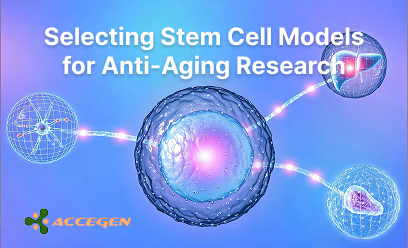
New Beginnings: Stem Cells, iPSCs, and Differentiation
If primary cells represent biological reality, stem cells and iPSCs represent biological potential.
Many foundational questions in modern biology still begin with:
- Where do stem cells come from?
- How are stem cells harvested?
- What is cell differentiation?
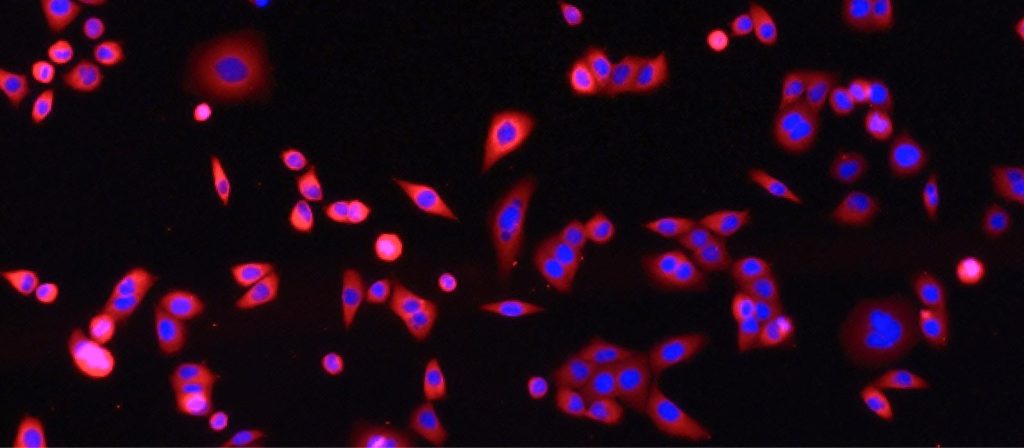
From totipotent stem cells in early embryonic development to pluripotent stem cells commonly used in vitro, the ability to guide stem cell differentiation has reshaped how we model development, regeneration, and disease.
AcceGen offers a range of stem cell products, including mesenchymal stem cells, iPSCs, and tissue-derived stem cells such as umbilical cord stem cells and menstrual blood stem cells. These cells are designed for researchers working on:
- Cell fate determination
- Regenerative biology
- Disease modeling
- Cell-based assay development
Here, differentiation is not just a concept—it is a controllable experimental variable.

From Differentiation to Disease Modeling
Public discussions around stem cells often focus on applications or outcomes, but in research settings, the real value lies in mechanistic clarity and experimental control.
Understanding cell differentiation definition, lineage commitment, and functional maturation enables more accurate models of complex diseases. For example:
- Cancer stem cells provide potential insight into tumor heterogeneity and drug resistance
- Differentiated iPSC-derived cells enable disease-specific in vitro models
- Controlled differentiation pathways support reproducible screening platforms
These applications rely on well-characterized stem cell products, consistent culture conditions, and reliable differentiation potential—areas where standardized research-grade cells make a measurable difference.
Choosing the Right Model for the Year Ahead
As cell research continues to evolve, no single model answers every question.
- Primary cells offer biological authenticity and immediate physiological relevance
- Stem cells and iPSCs provide flexibility, scalability, and developmental insight
The most effective research strategies often integrate both.
At AcceGen, our cell product portfolio is built to support this integration—helping researchers choose models that fit their scientific direction, not the other way around.
New year. New directions. Better cell models.

Copyright - Unless otherwise stated all contents of this website are AcceGen™ All Rights Reserved – Full details of the use of materials on this site please refer to AcceGen Editorial Policy – Guest Posts are welcome, by submitting a guest post to AcceGen you are agree to the AcceGen Guest Post Agreement – Any concerns please contact marketing@accegen.com