- In-Stock Tumor Cell Lines
- Human Orbital Fibroblasts
- Human Microglia
- Human Pulmonary Alveolar Epithelial Cells
- Human Colonic Fibroblasts
- Human Type II Alveolar Epithelial Cells
- Human Valvular Interstitial Cells
- Human Thyroid Epithelial Cells
- C57BL/6 Mouse Dermal Fibroblasts
- Human Alveolar Macrophages
- Human Dermal Fibroblasts, Adult
- Human Lung Fibroblasts, Adult
- Human Retinal Muller Cells
- Human Articular Chondrocytes
- Human Retinal Pigment Epithelial Cells
- Human Pancreatic Islets of Langerhans Cells
- Human Kidney Podocyte Cells
- Human Renal Proximal Tubule Cells
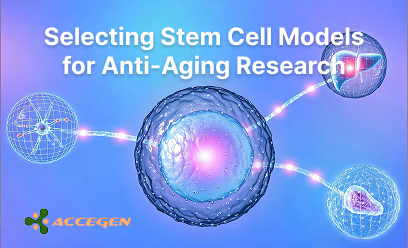
Anti-aging research is increasingly shaped by the choice of experimental models rather than single molecular targets. As regenerative medicine news continues to highlight breakthroughs in tissue repair and functional recovery, researchers are rethinking how cellular systems can more accurately represent aging biology. This growing attention is also reflected in public interest, such as searches for regenerative medicine near me, yet robust conclusions still depend on biologically relevant in vitro models.
A recurring scientific question in this field is what is cell differentiation, and why it matters for aging research. Aging is not a process of aging backwards, but a progressive loss of cellular function driven by accumulated damage, altered lineage commitment, and reduced regenerative capacity. At the center of this process lies senescent definition—a stable state of cell cycle arrest that limits tissue renewal and contributes to functional decline.
Why Model Choice Matters in Aging Research?
Conventional cell lines are widely used for screening due to their stability and convenience. However, immortalized cells often struggle to fully reproduce age-related phenotypes, particularly changes in differentiation potential and senescence signaling. As a result, their utility in mechanistic anti-aging studies is limited.
Stem cell systems provide a more physiologically relevant alternative. Understanding pluripotent vs multipotent capacity is essential when selecting a model. The distinction between multipotent vs pluripotent stem cells guides whether a study focuses on tissue-specific repair or broader lineage transitions. This choice significantly influences outcomes in differentiation biology, especially when modeling aging tissues with tightly regulated fate decisions.

Differentiation, Regeneration, and Experimental Interpretation
Accurate control of stem cell differentiation is critical in regeneration-focused studies. From a mechanistic standpoint, cell differentiation definition refers to the process by which unspecialized cells acquire stable functional identities. In aging models, impaired differentiation often mirrors reduced regenerative ability.
Equally important is clarifying regeneration meaning. Regeneration is not uncontrolled proliferation, but the coordinated replacement of damaged or aged functional tissue units. This principle underlies guided tissue regeneration, where directed differentiation determines whether tissue repair is functional and reproducible.
AcceGen — Recommended Stem Cell Products for Anti-Aging Research
In anti-aging research, true advances in mechanistic understanding and experimental model development rely on high-quality, research-grade stem cell systems rather than conventional immortalized cell lines. These models allow researchers to precisely investigate cellular state transitions in vitro, monitor stem cell differentiation dynamics, and elucidate the role of stem cells in aging-associated signaling pathways.
To support such studies, AcceGen offers the following products, which serve as core experimental models for anti-aging research applications.
Hman Induced Pluripotent Stem Cells
AcceGen Human iPSCs provide a highly plastic platform for modeling multiple aging-relevant tissues, including neuronal, cardiac, and hepatic lineages. Their ability to recapitulate cell fate transitions makes them ideal for studying senescence and regeneration mechanisms.
https://www.accegen.com/search/?q=Human+iPSCs
Stem cell dysfunction represents one of the central mechanisms of aging. By integrating biologically relevant stem cell models into experimental design, researchers can align their studies with current trends in regenerative medicine news, enabling more accurate interpretation of aging mechanisms and regenerative strategies.

Copyright - Unless otherwise stated all contents of this website are AcceGen™ All Rights Reserved – Full details of the use of materials on this site please refer to AcceGen Editorial Policy – Guest Posts are welcome, by submitting a guest post to AcceGen you are agree to the AcceGen Guest Post Agreement – Any concerns please contact marketing@accegen.com