- In-Stock Tumor Cell Lines
- Human Orbital Fibroblasts
- Human Microglia
- Human Pulmonary Alveolar Epithelial Cells
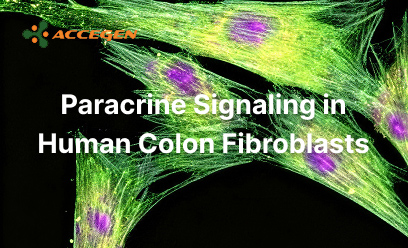
- Human Colonic Fibroblasts
- Human Type II Alveolar Epithelial Cells
- Human Valvular Interstitial Cells
- Human Thyroid Epithelial Cells
- C57BL/6 Mouse Dermal Fibroblasts
- Human Alveolar Macrophages
- Human Dermal Fibroblasts, Adult
- Human Lung Fibroblasts, Adult
- Human Retinal Muller Cells
- Human Articular Chondrocytes
- Human Retinal Pigment Epithelial Cells
- Human Pancreatic Islets of Langerhans Cells
- Human Kidney Podocyte Cells
- Human Renal Proximal Tubule Cells
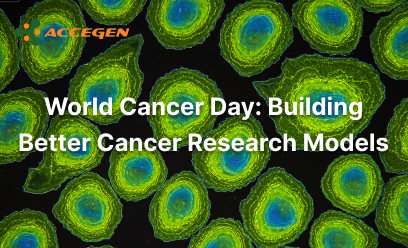
World Cancer Day, also known in some research circles as World Cancer Research Day, is a pivotal moment to reflect on how we build laboratory systems that truly inform clinical breakthroughs. For scientists probing tumor biology, therapeutic mechanisms, or immuno-oncology, the choice of cellular platforms is not a cosmetic detail — it’s foundational.
In modern oncology research, tools like reporter cell lines, GFP cells, Jurkat cell lines, and Promega HiBiT cell lines have become essential for quantifying pathway activation, immune signaling, and drug responses. These versatile systems enable researchers to move beyond generic observations into mechanistic precision. At the same time, questions around cost and real-world applicability remain prevalent — for example, how much does immunotherapy cost continues to be a relevant concern for decision-makers outside the bench. The integration of high-quality in vitro models is therefore crucial, as it helps ensure that preclinical insights more reliably reflect clinical outcomes.
Among emerging methodological influences, in vivo-inspired experimental concepts have shaped how immuno-oncology researchers design assays that better mimic physiological complexity. Whether it’s immune activation protocols modeled on in vivo biology or reporter strategies aligned with physiological contexts, leveraging these approaches enriches experimental systems and drives deeper biological understanding. In fact, adopting in vivo-relevant frameworks in cell-based workflows has accelerated discoveries in immune checkpoint mechanisms and oncology drug screening.

At AcceGen, we translate these principles into tangible products that support discovery, validation, and translation across cancer research. Our catalog of tumor cell lines — spanning more than a thousand human carcinoma models — provides researchers with the diversity and biological relevance needed for advanced experimentation.
- Human Tumor Cell Lines — AcceGen offers an extensive collection of carcinoma lines derived from breast, lung, gastric, pancreatic, lymphoma, and leukemia tumors, making them excellent platforms for mechanistic studies and drug screening.
- Immortalized Cell Lines — Robust and easy to culture, these lines allow repeated experimentation and can be integrated with reporter systems for pathway analysis.
- Reporter Cell Lines — These are ideal for quantitatively monitoring signaling events or reporter activation, especially when studying targeted therapies.
- GFP Cells — Fluorescent labelling makes real-time visualization and tracking possible, a powerful asset in both mechanism research and high-content screening workflows.
- Jurkat Cell Lines — Widely used for immunology and checkpoint studies, these lines are central to evaluating T-cell signaling and immunotherapy agents.
- Promega HiBiT Cell Lines — Designed for sensitive protein quantification, they enable high-throughput screening and low-background measurements.
Across all our offerings, AcceGen adheres to rigorous quality controls to ensure reproducibility and biological fidelity, which are crucial when modeling complex processes like tumor resistance, immune modulation, or drug efficacy.
Building on in vivo-inspired assay design principles can also enhance the utility of these cellular models. Integrating physiologically relevant protocols with GFP-tagged reporters or Jurkat immune readouts allows researchers to construct assay systems with meaningful biological context — a step closer to bridging in vitro data with in vivo outcomes.
This World Cancer Day, let’s reaffirm a key scientific truth: better research models lead to better discoveries. Whether you are investigating fundamental tumor biology or screening next-generation immunotherapies, choosing the right tools — from reliable tumor cell lines to advanced reporter systems — can shape the trajectory of your research.
At AcceGen, our diverse portfolio of cancer-related products, backed by stringent validation and extensive species/tumor coverage, provides researchers with trustworthy platforms to explore hypothesis, quantify mechanisms, and accelerate translational impact.

Copyright - Unless otherwise stated all contents of this website are AcceGen™ All Rights Reserved – Full details of the use of materials on this site please refer to AcceGen Editorial Policy – Guest Posts are welcome, by submitting a guest post to AcceGen you are agree to the AcceGen Guest Post Agreement – Any concerns please contact marketing@accegen.com