



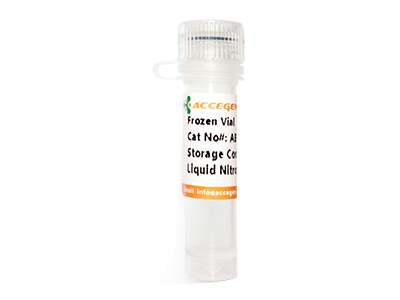
For research use only
| Cat No. | ABC-TC137W |
| Product Type | Dermal Cells |
| Cell Type | Fibroblasts |
| Species | Canine |
| Growth Conditions | 37 °C, 5% CO2 |
| Source Organ | Skin |
| Disease | Normal |
| Storage | Liquid Nitrogen |
Canine Dermal Fibroblasts are used in ECM remodeling, inflammation studies, and biotechnology applications in veterinary and cell therapy research.
Canine Dermal Fibroblasts (CDFs) are primary spindle-shaped cells from healthy canine skin tissue, typically isolated from beagles or other breeds. In vitro, they maintain expression of collagen I, fibronectin, vimentin, and respond robustly to serum growth conditions, completing 70–80% confluency within 2–3 days. CDFs secrete key cytokines such as IL‑6, IL‑8, MCP‑1, VEGF‑A and SCF under inflammatory stimuli and are routinely used in PCR, Western blot, immunocytochemistry, and cell‑derivation protocols. Their consistency and multipassage stability make them ideal for studies in extracellular matrix remodeling, inflammation, wound healing, and biotherapeutic screening.
| Species | Canine |
| Cat.No | ABC-TC137W |
| Quality Control | All cells test negative for mycoplasma, bacteria, yeast, and fungi. |
| Product Category | Primary Cells |
| Size/Quantity | 1 vial |
| Cell Type | Fibroblasts |
| Growth Mode | Adherent |
| Shipping Info | Dry Ice |
| Growth Conditions | 37 °C, 5% CO2 |
| Source Organ | Skin |
| Disease | Normal |
| Biosafety Level | 1 |
| Storage | Liquid Nitrogen |
| Product Type | Dermal Cells |
For research use only.
Canine Dermal Fibroblasts are widely used as in vitro models for extracellular matrix and wound healing research, assessing collagen and fibronectin secretion, proliferation under serum conditions, and response to pH or inflammatory stressors. They are instrumental in inflammation studies—measuring IL‑6/IL‑8/MCP‑1/VEGF release following exposure to inflammatory cytokines, allergens, or botanical extracts. They also support advanced applications in regenerative medicine, immunology, and translational veterinary biotechnology.