
For research use only
| Cat No. | ABC-TC3416 |
| Product Type | Other Animal Primary Cells |
| Cell Type | Chondrocyte |
| Species | Feline |
| Growth Conditions | 37 ℃, 5% CO2 |
| Source Organ | Cartilage |
| Disease | Normal |
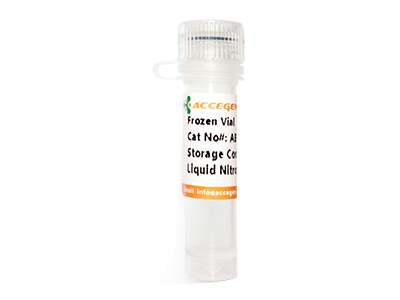
| Storage | Liquid Nitrogen |
Feline Chondrocytes (FC) are derived from the articular cartilage of cats and are cryopreserved at second passage.
Feline Chondrocytes are mainly derived from hyaline cartilage tissues such as articular cartilage, costal cartilage, and growth plates. Morphologically, they exhibit a round or polygonal shape, and a cobblestone-like arrangement in vitro culture. Feline chondrocytes express extracellular matrix components such as type II collagen (COL2A1), aggrecan, and chondroitin sulfate, which are essential for maintaining the mechanical strength and elasticity of cartilage tissue. In addition, they also secrete hyaluronic acid and a variety of growth factors (such as TGF-β), which participate in cartilage repair and regeneration. These cat cells not only maintain the cushioning and lubrication of the joints but also participate in injury repair. Each lot undergoes rigorous screening and isolation procedures, and is rigorously tested to ensure it is free of contamination from Mycoplasma, Fungi, Yeast, and Bacteria.
| Product Code | Feline Chondrocytes, Cat Chondrocytes, Chondrocytes, Cartilage Cells |
| Species | Feline |
| Cat.No | ABC-TC3416 |
| Product Category | Primary Cells |
| Size/Quantity | 1 vial |
| Cell Type | Chondrocyte |
| Growth Mode | Adherent |
| Shipping Info | Dry Ice |
| Growth Conditions | 37 ℃, 5% CO2 |
| Source Organ | Cartilage |
| Disease | Normal |
| Biosafety Level | 1 |
| Storage | Liquid Nitrogen |
| Product Type | Other Animal Primary Cells |
| Quality Control | All cells test negative for mycoplasma, bacteria, yeast, and fungi. |
Feline Chondrocytes can be used to explore the molecular mechanisms of cartilage development, metabolism, and degeneration, such as the pathogenesis of osteoarthritis (OA). These cells can also be used to test the efficacy of chondroprotective drugs (such as polysaccharide sulfate and diacerein). In addition, they are often used as seed cells for biomaterials (such as collagen scaffolds and hydrogels) to construct artificial cartilage tissue to repair joint defects.
When you publish your research, please cite our product as “AcceGen Biotech Cat.# XXX-0000”. In return, we’ll give you a $200 coupon. Simply click here and submit your paper’s PubMed ID (PMID).