



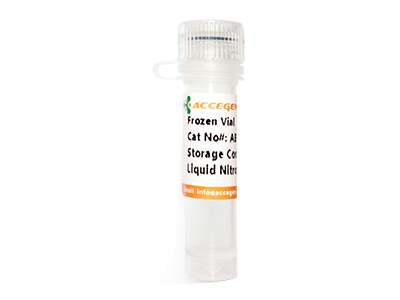
For research use only
| Cat No. | ABC-SC216Y |
| Product Type | Induced pluripotent stem cell-Derived cells (iPSC-Derived cells) |
| Cell Type | Oligodendrocyte-like Cells |
| Species | Human |
| Growth Conditions | 37 ℃, 5% CO2 |
| Source Organ | Induced pluripotent stem cell |
| Disease | Normal |
| Storage | Liquid Nitrogen |
Human iPSC-derived Oligodendrocyte-like Cells support neurodegeneration research with fast-maturing, marker-positive cells and sterility and QC testing.
HighQC™ Human iPSC-derived Oligodendrocyte-like Cells are carefully characterized cryopreserved cells, derived from skin fibroblasts that are reprogrammed into iPSCs and then differentiated into oligodendrocyte-like cells. These cells provide an ideal experimental model for research on neurodegenerative and demyelinating diseases. The product undergoes strict quality control, including sterility testing, protein expression (ICC), and gene expression (RT-qPCR) analysis. During culture, the cells rapidly mature into oligodendrocyte-like morphology with branched processes and begin expressing oligodendrocyte markers such as MBP, PLP1, CNP, and MAG. The cells undergo stringent quality control and are tested to be negative for HIV-1, HBV, HCV, mycoplasma, bacteria, yeast, and fungi.
| Species | Human |
| Cat.No | ABC-SC216Y |
| Quality Control | All cells test negative for mycoplasma, bacteria, yeast, and fungi. |
| Product Category | Stem Cells |
| Size/Quantity | 1 vial |
| Cell Type | Oligodendrocyte-like Cells |
| Growth Mode | Adherent |
| Shipping Info | Dry Ice |
| Growth Conditions | 37 ℃, 5% CO2 |
| Source Organ | Induced pluripotent stem cell |
| Disease | Normal |
| Biosafety Level | 1 |
| Storage | Liquid Nitrogen |
| Product Type | Induced pluripotent stem cell-Derived cells (iPSC-Derived cells) |
HighQC™ Human iPSC-derived Oligodendrocyte-like Cells are an ideal choice for researchers in a variety of applications, particularly for screening compounds that regulate myelination, phenotypic assays, target validation, neurotoxicity assays, and neuroinflammation assays. When co-cultured with neurons, these cells show significant MBP expression under co-culture conditions, making them an effective tool for studying neurodegenerative diseases, such as multiple sclerosis.
When you publish your research, please cite our product as “AcceGen Biotech Cat.# XXX-0000”. In return, we’ll give you a $100 coupon. Simply click here and submit your paper’s PubMed ID (PMID).