



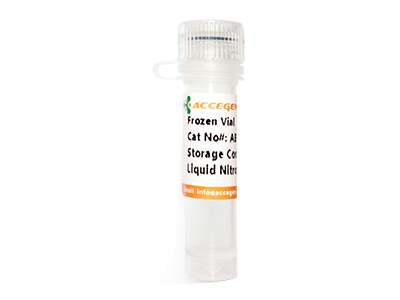
For research use only
| Cat No. | ABC-TC001Y |
| Product Type | Human Primary Cells |
| Cell Type | Myocyte |
| Species | Human |
| Growth Conditions | 37 °C, 5% CO2 |
| Source Organ | Heart |
| Disease | Normal |
| Storage | Liquid Nitrogen |
Explore the fascinating world of human cardiac myocytes, their structure, function, and role in heart health. Discover cutting-edge research today.
Human cardiac myocytes are the most energetically active cells in the body. They are highly specialized hyperoxic cells possessing abundant mitochondria. Cardiac myocytes constitute 75% of the heart’s total mass but only about one-third of its total cell count. All cardiac myocytes spontaneously undergo rhythmic membrane depolarization and repolarization. Myocyte contraction is myogenic and independent of neural stimulation.
Human Cardiac Myocytes (HCM) are derived from adult cardiac tissue. After purification, they are cryopreserved and delivered in frozen form. HCM-a cells are identified by immunofluorescence using a sarcomere α-actin-specific antibody. Human Cardiac Myocytes (HCM) have tested negative for HIV-1, HBV, HCV, mycoplasma, bacteria, yeast, and fungi. However, as these cells do not proliferate in culture, they are not recommended for expansion or long-term culture.
| Species | Human |
| Cat.No | ABC-TC001Y |
| Quality Control | All cells test negative for mycoplasma, bacteria, yeast, and fungi. |
| Product Category | Primary Cells |
| Size/Quantity | 1 vial |
| Cell Type | Myocyte |
| Growth Mode | Adherent |
| Shipping Info | Dry Ice |
| Growth Conditions | 37 °C, 5% CO2 |
| Source Organ | Heart |
| Disease | Normal |
| Biosafety Level | 1 |
| Storage | Liquid Nitrogen |
| Product Type | Human Primary Cells |
A complex signaling network within cardiomyocytes regulates the heart’s rhythmic contraction. Cardiomyocyte hypertrophy and apoptosis are pivotal factors contributing to the loss of contractile function in heart failure. An in-depth analysis of these cardiac signaling networks will provide valuable insights into the cellular mechanisms underlying cardiomyocyte death, helping to identify potential therapeutic targets for heart failure.
When you publish your research, please cite our product as “AcceGen Biotech Cat.# XXX-0000”. In return, we’ll give you a $100 coupon. Simply click here and submit your paper’s PubMed ID (PMID).