


For research use only
| Cat No. | ABC-TC4330 |
| Product Type | Diseased Human Peripheral Blood Mononuclear Cells |
| Cell Type | Mononuclear Cell |
| Species | Human |
| Growth Conditions | 37 ℃, 5% CO2 |
| Source Organ | Peripheral Blood |
| Disease | Colorectal Cancer |
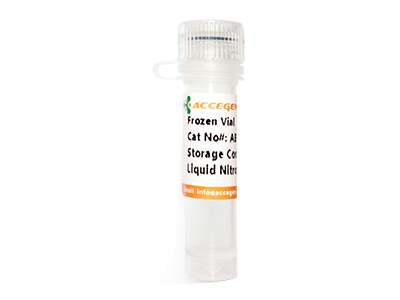
| Storage | Liquid Nitrogen |
Human Colorectal Cancer Peripheral Blood Mononuclear Cells are ideal for cancer research, including adenocarcinoma and squamous cell carcinoma studies.
Human Colorectal Cancer Peripheral Blood Mononuclear Cells (PBMCs) are a population of mononuclear cells isolated from the peripheral blood of colorectal cancer patients, primarily consisting of lymphocytes (T cells, B cells, NK cells) and monocytes. These cells are typically enriched at the interface during Ficoll density gradient centrifugation and exhibit a round or oval morphology. They play a key role in immune surveillance and modulating tumor microenvironment in colorectal cancer. CD8⁺ T cells can specifically recognize tumor antigens, NK cells exert cytotoxic effects that eliminate tumor cells, while regulatory T cells (Tregs) and myeloid-derived suppressor cells (MDSCs) may promote immune evasion. These PBMCs enable detailed PBMC phenotyping in colorectal cancer, analysis of T cell subsets in colorectal cancer, evaluation of B cell role in colorectal cancer, assessment of cytokine expression in colorectal cancer, and monitoring of autoimmune markers in colorectal cancer.
| Species | Human |
| Cat.No | ABC-TC4330 |
| Quality Control | All cells test negative for mycoplasma, bacteria, yeast, and fungi. |
| Product Category | Primary Cells |
| Size/Quantity | 1 vial |
| Cell Type | Mononuclear Cell |
| Growth Mode | Adherent |
| Shipping Info | Dry Ice |
| Growth Conditions | 37 ℃, 5% CO2 |
| Source Organ | Peripheral Blood |
| Disease | Colorectal Cancer |
| Storage | Liquid Nitrogen |
| Product Type | Diseased Human Peripheral Blood Mononuclear Cells |
Human Colorectal Cancer Peripheral Blood Mononuclear Cells can be used to study the immune mechanism of colorectal cancer and develop disease markers. These cells can also be used to develop CAR-T therapy, evaluate tumor load and design of personalized immunotherapy strategies.
When you publish your research, please cite our product as "AcceGen Biotech Cat.# XXX-0000". In return, we’ll give you a $100 coupon. Simply click here and submit your paper’s PubMed ID (PMID).