



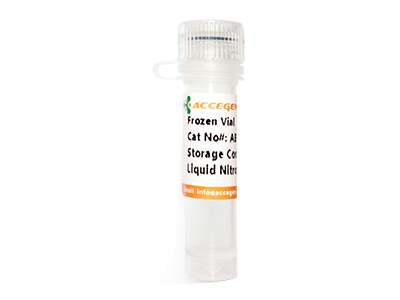
For research use only
| Cat No. | ABC-TC158L |
| Product Type | Osteocytes |
| Cell Type | Osteocytes |
| Species | Human |
| Growth Conditions | 37 ℃, 5% CO2 |
| Source Organ | Bone Marrow |
| Disease | Normal |
| Storage | Liquid Nitrogen |
Cryopreserved human osteocytes: Non-proliferative, vital bone cells embedded in matrix, regulating bone remodeling & mineral homeostasis.
Human Osteocytes are terminally differentiated bone cells derived from human osteoblasts and embedded within the mineralized bone matrix. Following primary culture, these cells are cryopreserved to preserve native properties. These star-shaped human bone cells reside in lacunae and extend dendritic processes through canaliculi, forming a mechanosensory network. Human osteocytes express key markers such as sclerostin (SOST), dentin matrix protein 1 (DMP1), and E11/gp38, and regulate bone remodeling by modulating osteoblast and osteoclast activity in response to mechanical and hormonal signals. They are essential regulators of bone remodeling and mineral homeostasis. Osteocyte dysfunction contributes to diseases including osteoporosis, osteoarthritis, and CKD-MBD. These cells provide a physiologically relevant model for investigating bone mechanobiology, aging, and metabolic bone disorders. In vitro, these cells do not proliferate and cannot be subcultured. To maintain cellular viability and function, repeated freezing and thawing during culture should be avoided.
| Species | Human |
| Cat.No | ABC-TC158L |
| Product Category | Primary Cells |
| Size/Quantity | 1 vial |
| Cell Type | Osteocytes |
| Growth Mode | Adherent |
| Shipping Info | Dry Ice |
| Growth Conditions | 37 ℃, 5% CO2 |
| Source Organ | Bone Marrow |
| Disease | Normal |
| Biosafety Level | 1 |
| Storage | Liquid Nitrogen |
| Product Type | Osteocytes |
| Quality Control | All cells test negative for mycoplasma, bacteria, yeast, and fungi. |
Human osteocytes are widely used in bone biology research, including the study of mechanotransduction, bone remodeling, and mineral metabolism. They serve as valuable in vitro models for investigating skeletal aging, glucocorticoid-induced osteoporosis, and bone-related complications in chronic diseases. These cells are also applied in drug screening for anti-resorptive or bone-anabolic therapies and for evaluating the effects of biomaterials in orthopedic research.
When you publish your research, please cite our product as “AcceGen Biotech Cat.# XXX-0000”. In return, we’ll give you a $200 coupon. Simply click here and submit your paper’s PubMed ID (PMID).