



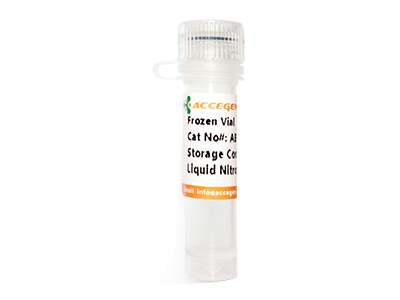
For research use only
| Cat No. | ABC-TC3914 |
| Product Type | Mouse Primary Cells |
| Cell Type | Astrocyte |
| Species | Mouse |
| Growth Conditions | 37 ℃, 5% CO2 |
| Source Organ | Brain |
| Disease | Normal |
| Storage | Liquid Nitrogen |
Utilize Mouse Cortical Astrocytes to model neuroinflammation, glial–neuron signaling, and astrocyte roles in murine central nervous system homeostasis.
Mouse Cortical Astrocytes are derived from the cerebral cortex of neonatal C57BL/6 mice. These astrocytes are isolated through enzymatic and mechanical dissociation, followed by enrichment under specific culture conditions. They are adherent cells that grow slowly, typically requiring 10–14 days to recover from cryopreservation and 7–10 days to reach 70–90% confluence during subculture. The cells are cryopreserved at passage 1 and stored in liquid nitrogen. Morphologically, these cells exhibit a stellate shape with numerous branched processes, characteristic of astrocytes in the central nervous system. They express glial fibrillary acidic protein (GFAP), a key marker for astrocytes. Additionally, they are negative for mycoplasma, bacteria, yeast, and fungi, ensuring their purity for research applications. The cells are not immortalized and do not exhibit tumorigenic or metastatic properties.
| Species | Mouse |
| Cat.No | ABC-TC3914 |
| Quality Control | All cells test negative for mycoplasma, bacteria, yeast, and fungi. |
| Product Category | Primary Cells |
| Size/Quantity | 1 vial |
| Cell Type | Astrocyte |
| Growth Mode | Adherent |
| Shipping Info | Dry Ice |
| Growth Conditions | 37 ℃, 5% CO2 |
| Source Organ | Brain |
| Disease | Normal |
| Biosafety Level | 1 |
| Storage | Liquid Nitrogen |
| Product Type | Mouse Primary Cells |
Mouse Cortical Astrocytes can be employed to simulate the functions of the blood – brain barrier, enabling the evaluation of drug permeability and neurotoxicity. Additionally, in pathological research, by inducing inflammation or oxidative stress, these cells can mimic the reactive proliferation phenotype of astrocytes observed in diseases like Alzheimer’s disease and Parkinson’s disease. This provides an experimental platform for the development of targeted therapies.
When you publish your research, please cite our product as “AcceGen Biotech Cat.# XXX-0000”. In return, we’ll give you a $100 coupon. Simply click here and submit your paper’s PubMed ID (PMID).