



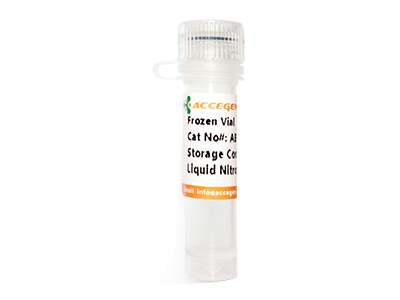
For research use only
| Cat No. | ABC-TC0896 |
| Product Type | Mouse Myeloma Cell Lines |
| Cell Type | Lymphoblast |
| Species | Mouse |
| Growth Conditions | 37 ℃, 5% CO2 |
| Disease | Myeloma |
| Product Code | P3-X63-Ag8.653; P3-X63-Ag8-653; P3-x63-Ag8 653; P3-X63-Ag 8.653; P3-X63Ag8.653; P3-X63.Ag8.653; P3/X63/Ag8.653; P3X63/Ag8.653; P3X63 Ag8.653; P3X63 AG8-653; P3X63-Ag8.653; P3x63-Ag8.653; P3X63 AG 8.653; P3X63Ag8653; P3-X63-Ag8-6-5-3; P3X63Ag8-6-5-3; P3.times.63 Ag8.653; P3.653; X63-Ag8-6.5.3; X63-Ag 8.6.5.3; X63-AG 8.653; X63-Ag8-653; X63-Ag8.653; X63.Ag8.653; X63Ag8-653; X63Ag8.653; X63AG8.653; P3-653; P3x653.Ag8 |
The cells are resistant to 8-azaguanine and are HAT sensitive. They can be used as fusion partners for producing hybridomas.
The cells are resistant to 8-azaguanine and are HAT sensitive. They can be used as fusion partners for producing hybridomas. The cells do not secrete immunoglobulin. The cells have been reported to be cholesterol auxotroph due to a deficiency in 3-ketosteroid reductase activity.The species was confirmed by Real-Time PCR.
| Product Code | P3-X63-Ag8.653; P3-X63-Ag8-653; P3-x63-Ag8 653; P3-X63-Ag 8.653; P3-X63Ag8.653; P3-X63.Ag8.653; P3/X63/Ag8.653; P3X63/Ag8.653; P3X63 Ag8.653; P3X63 AG8-653; P3X63-Ag8.653; P3x63-Ag8.653; P3X63 AG 8.653; P3X63Ag8653; P3-X63-Ag8-6-5-3; P3X63Ag8-6-5-3; P3.times.63 Ag8.653; P3.653; X63-Ag8-6.5.3; X63-Ag 8.6.5.3; X63-AG 8.653; X63-Ag8-653; X63-Ag8.653; X63.Ag8.653; X63Ag8-653; X63Ag8.653; X63AG8.653; P3-653; P3x653.Ag8 |
| Species | Mouse |
| Cat.No | ABC-TC0896 |
| Product Category | Tumor Cell Lines |
| Size/Quantity | 1 vial |
| Cell Type | Lymphoblast |
| Growth Mode | Suspension |
| Shipping Info | Dry Ice |
| Growth Conditions | 37 ℃, 5% CO2 |
| Disease | Myeloma |
| Biosafety Level | 1 |
| Storage | Liquid Nitrogen |
| Product Type | Mouse Myeloma Cell Lines |
For research use only
When you publish your research, please cite our product as “AcceGen Biotech Cat.# XXX-0000”. In return, we’ll give you a $100 coupon. Simply click here and submit your paper’s PubMed ID (PMID).