



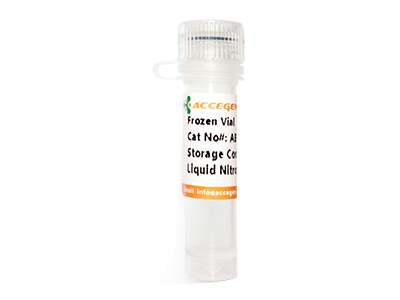
For research use only
| Cat No. | ABC-SC219Y |
| Product Type | IPSC |
| Cell Type | Induced Pluripotent Stem Cells (iPSCs) |
| Species | Porcine |
| Growth Conditions | 37 ℃, 5% CO2 |
| Source Organ | Neural |
| Disease | Normal |
| Storage | Liquid Nitrogen |
Porcine iPSCs from Yorkshire and Landrace pigs support development studies, disease modeling, and regenerative medicine, fast-growing pluripotent cells.
Porcine Induced Pluripotent Stem Cells (iPSCs) are derived from neural tissue of Yorkshire x Landrace cross-breed pigs (Sus scrofa species), sourced from veterinary-certified animals with full traceability. These cells are reprogrammed using in-house non-integrative methods, which ensures that they retain their pluripotency and the ability to differentiate into all three germ layers (ectoderm, mesoderm, and endoderm). Cultured feeder-free in serum-free media, the cells support high-density growth with a doubling time of 14-16 hours, making them suitable for large-scale applications.Before release, the cells undergo karyotyping by G-Banding, RNASeq, qPCR, and flow cytometry to confirm pluripotency markers and differentiation capabilities. The cells undergo rigorous screening and isolation procedures, and are rigorously tested to ensure they are free of contamination from Mycoplasma, Fungi, Yeast, and Bacteria.
| Species | Porcine |
| Cat.No | ABC-SC219Y |
| Product Category | Stem Cells |
| Size/Quantity | 1 vial |
| Cell Type | Induced Pluripotent Stem Cells (iPSCs) |
| Growth Mode | Adherent |
| Shipping Info | Dry Ice |
| Growth Conditions | 37 ℃, 5% CO2 |
| Source Organ | Neural |
| Disease | Normal |
| Biosafety Level | 1 |
| Storage | Liquid Nitrogen |
| Product Type | IPSC |
| Quality Control | All cells test negative for mycoplasma, bacteria, yeast, and fungi. |
These Porcine iPSCs are highly versatile and can be used in a wide range of applications across various fields of research and industry. Due to their robust growth and pluripotency, they can be differentiated into various cell types, including neurons, cardiomyocytes, and hepatocytes, making them a powerful tool for disease modeling and drug discovery. These cells offer a unique opportunity to study cardiovascular diseases, neurological disorders, and metabolic diseases in a species that shares many similarities with humans in terms of organ size and physiology. Moreover, they can be employed in toxicology testing and pharmacological screening, facilitating the development of safer veterinary drugs and treatments.
When you publish your research, please cite our product as “AcceGen Biotech Cat.# XXX-0000”. In return, we’ll give you a $200 coupon. Simply click here and submit your paper’s PubMed ID (PMID).