



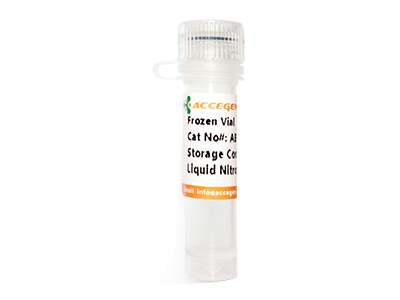
For research use only
| Cat No. | ABC-TC5509 |
| Product Type | Rat Primary Cells |
| Cell Type | Monocyte |
| Species | Rat |
| Growth Conditions | 37 ℃, 5% CO2 |
| Disease | Normal |
| Storage | Liquid Nitrogen |
Rat PBMCS provide immune cell populations for immunology research, cytokine profiling, and functional assays in rodent infection and vaccination models.
Rat PBMCs are isolated from rat peripheral blood by density gradient centrifugation, mainly including lymphocytes (T cells, B cells, NK cells) and monocytes, essential for preclinical immunology and toxicology research. The core functions of rPBMCs involve immune regulation: T cells dominate adaptive immune responses, B cells mediate humoral immunity, NK cells perform natural killing functions, and monocytes can differentiate into macrophages or dendritic cells to participate in antigen presentation. These cells maintain native morphology and express conserved immune markers (e.g., CD3, CD45RA, CD161), enabling studies in immune activation, inflammation, and autoimmune disease mechanisms. Rat PBMCs are particularly valuable for translational research due to their physiological similarity to human immune responses.
| Species | Rat |
| Cat.No | ABC-TC5509 |
| Product Category | Primary Cells |
| Size/Quantity | 1 vial |
| Cell Type | Monocyte |
| Growth Mode | Suspension |
| Shipping Info | Dry Ice |
| Growth Conditions | 37 ℃, 5% CO2 |
| Disease | Normal |
| Storage | Liquid Nitrogen |
| Product Type | Rat Primary Cells |
Rat PBMCs can be used to evaluate immune cell functions, such as T cell proliferation, cytokine secretion (such as IL-2, IFN-γ), and NK cell killing activity. These cells can also be used to test the effects of immunomodulatory drugs, anti-inflammatory compounds or vaccine adjuvants, such as analyzing the effects of drugs on immune responses through in vitro stimulation experiments.
When you publish your research, please cite our product as “AcceGen Biotech Cat.# XXX-0000”. In return, we’ll give you a $200 coupon. Simply click here and submit your paper’s PubMed ID (PMID).