



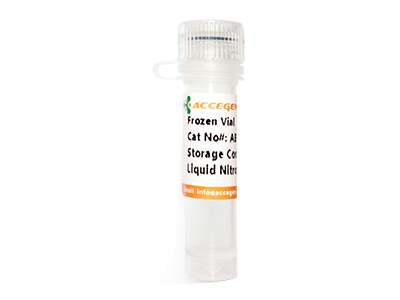
For research use only
| Cat No. | ABC-X0297C |
| Product Type | Overexpression Stable Cell Lines |
| Cell Type | Epithelial |
| Species | Mouse |
| Host Cell | 293T |
| Source Organ | Kidney |
| Disease | Normal |
| Storage | Liquid Nitrogen |
Mouse TPBG stably overexpressed in 293T cells, applicable to tumor antigen studies and investigations of metastasis and immunogenic cancer pathways.
Xpress™ Mouse TPBG Overexpression Cell Line is a genetically engineered model derived from selected human embryonic kidney (293T) parental cell line based on customers’ requirement. TPBG 293T overexpression cell line is generated by stable integration of exogenous mouse TPBG into 293T host cells using our optimized transduction of lentiviral vectors. Overexpression clone is validated at gene level by qRT-PCR.
Target
The TPBG gene (trophoblast glycoprotein), also known as 5T4, encodes a membrane glycoprotein involved in cell adhesion and motility. It is upregulated in embryonic development and various cancers, including colorectal and gastric cancer, and is associated with tumor progression and metastasis. TPBG participates in Wnt/β-catenin signaling and modulates cell migration. AcceGen offers generation of stable overexpression cell lines targeting any gene of your interest. Polyclonal or monoclonal is optional based on customers’ research needs.
| Species | Mouse |
| Cat.No | ABC-X0297C |
| Product Category | Transfected Stable Cell Lines |
| Size/Quantity | 1 vial |
| Cell Type | Epithelial |
| Growth Mode | Adherent |
| Shipping Info | Dry Ice |
| Growth Conditions | 37 °C, 5% CO2 |
| Source Organ | Kidney |
| Disease | Normal |
| Biosafety Level | 1 |
| Storage | Liquid Nitrogen |
| Product Type | Overexpression Stable Cell Lines |
| Host Cell | 293T |
| Quality Control | All cells test negative for mycoplasma, bacteria, yeast, and fungi. |
The TPBG 293T Overexpression Cell Line serves as a powerful tool to investigate TPBG-mediated tumorigenesis, cell adhesion, and cancer immunotherapy. This model enables studies on TPBG-targeted antibody therapies and functional screening in cancer biology.