



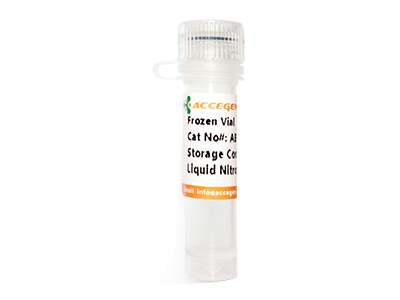
For research use only
| Cat No. | ABC-TC210S |
| Product Type | Mouse Myeloma Cell Lines |
| Species | Mouse- BALB/C; Derived From: B13.29 (First Describ |
| Growth Conditions | 37 ℃, 5% CO2 |
| Disease | Hybridoma |
| Product Code | B9, B9 Hybridoma |
B9 hybridoma (B cell × myeloma), IL-6 dependent and nonproducer, serves as a classic fusion partner and model for antibody secretion and hybridoma biology.
The B9 cell line is a murine B cell hybridoma, derived from the fusion of BALB/c spleen cells with SP2/0-AG14 myeloma cells, selected as IL-6-dependent subclone from parental B13. 29 (originally designated clone 9. 9). B9 cells lymphoblastoid morphology and adhere to the surface in culture. These cells require IL-6 for survival and proliferation (STAT3-mediated suppression of apoptosis and respond to LPS (EC50 ~10 ng/mL) via TLR4/CD14 pathway). They also show sensitivity to hybridoma growth factor (HGF) and do not produce immunoglobulins. B9 cells do not exhibit tumorigenic or metastatic properties. They are particularly valuable in inflammation, autoimmunity, hematopoiesis, and cancer-related research involving IL-6. Their growth dependence on IL-6 ensures biological relevance in studies involving cytokine-antagonist screening and immune modulation.
| Product Code | B9, B9 Hybridoma |
| Species | Mouse- BALB/C; Derived From: B13.29 (First Describ |
| Cat.No | ABC-TC210S |
| Product Category | Tumor Cell Lines |
| Size/Quantity | 1 vial |
| Shipping Info | Dry Ice |
| Growth Conditions | 37 ℃, 5% CO2 |
| Disease | Hybridoma |
| Biosafety Level | 1 |
| Storage | Liquid Nitrogen |
| Product Type | Mouse Myeloma Cell Lines |
The B9 cell line serves as a valuable model for investigating the complex aspects of B cell biology and is typically used to study the role of IL-6 in inflammatory, autoimmune, and cancer-related diseases. The B9 hybridoma enables a straightforward and highly sensitive assay, known as the B9 bioassay, for assessing IL-6 activity in human, rat, and mouse samples. This versatile cell line contributes to our understanding of pathogenesis of various diseases.
When you publish your research, please cite our product as “AcceGen Biotech Cat.# XXX-0000”. In return, we’ll give you a $200 coupon. Simply click here and submit your paper’s PubMed ID (PMID).