



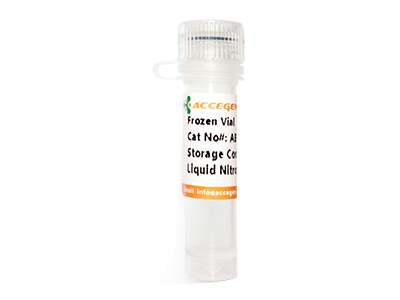
For research use only
| Cat No. | ABC-TC3131 |
| Product Type | Bovine Primary Cells |
| Cell Type | Epithelial |
| Species | Bovine |
| Growth Conditions | 37 ℃, 5% CO2 |
| Source Organ | Endometrium |
| Disease | Normal |
| Storage | Liquid Nitrogen |
Bovine Endometrial Epithelial Cells (BEnEpC) are isolated from epithelium of the bovine endometrium.
Bovine Endometrium Epithelial Cells are derived from bovine endometrial tissues. They are typically isolated from uterine tissues through collagenase digestion and exhibit typical epithelial cell morphology in vitro, appearing as polygonal or cobblestone-like arrangements with tight junctional characteristics. Their growth pattern is adhesion-dependent (anchorage-dependent). Functionally, they are involved in tissue remodeling and nutrient supply during the embryo implantation period and play a crucial role in pathogen defense.They also participate in mediating hormone-responsive signaling pathways that regulate endometrial homeostasis and reproductive physiology, and are commonly studied to investigate bovine uterine cell communication. The cells undergo rigorous screening and isolation procedures, and are rigorously tested to ensure they are free of contamination from Mycoplasma, Fungi, Yeast, and Bacteria.
| Product Code | Bovine Endometrium Epithelial Cells,Endometrial Epithelial Cells,Epithelial Cells |
| Species | Bovine |
| Cat.No | ABC-TC3131 |
| Product Category | Primary Cells |
| Size/Quantity | 1 vial |
| Cell Type | Epithelial |
| Growth Mode | Adherent |
| Shipping Info | Dry Ice |
| Growth Conditions | 37 ℃, 5% CO2 |
| Source Organ | Endometrium |
| Disease | Normal |
| Biosafety Level | 1 |
| Storage | Liquid Nitrogen |
| Product Type | Bovine Primary Cells |
| Quality Control | All cells test negative for mycoplasma, bacteria, yeast, and fungi. |
Bovine Endometrium Epithelial Cells can be used to explore the molecular mechanisms of embryo implantation and pregnancy maintenance, analyze the key signaling pathways for the establishment of endometrial receptivity, and provide cytological support for revealing the mysteries of ruminant reproduction. In terms of applied research, by simulating pathogen infection models, the effects of uterine inflammation on cell function can be evaluated, providing a theoretical basis for endometritis prevention and control strategies.
When you publish your research, please cite our product as “AcceGen Biotech Cat.# XXX-0000”. In return, we’ll give you a $200 coupon. Simply click here and submit your paper’s PubMed ID (PMID).