



For research use only
| Cat No. | ABL-TC0112 |
| Product Type | Human Oral Cancer Cell Lines |
| Cell Type | Epithelial-like |
| Species | Human |
| Growth Conditions | 37 ℃, 5% CO2 |
| Source Organ | Gingival |
| Product Code | CA9-22; Ca 9-22; CA922; Ca922 |
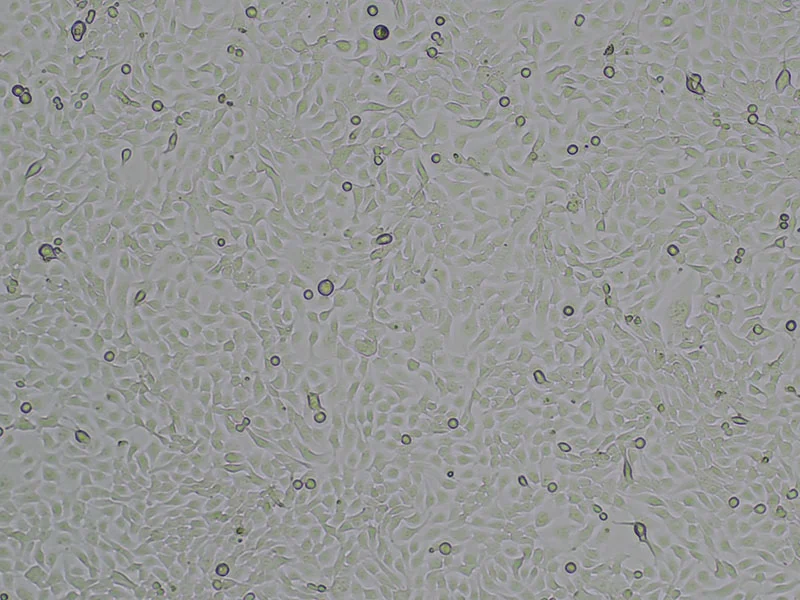
Ca9-22: Human gingival squamous cell carcinoma cell line. Epithelial, adherent, with mutant p53 (p53R248W).
Ca9-22 is a human oral squamous cell carcinoma (OSCC) line derived from a gingival tumor. These adherent, polygonal epithelial cells can be continuously cultured and exhibit characteristic markers of squamous epithelium, including cytokeratins. Ca9-22 cells express elevated levels of oral cancer–associated proteins and harbor genetic alterations such as TP53 mutations, reflecting their malignant phenotype. They demonstrate high proliferative and invasive capabilities, making them a valuable in vitro model for investigating OSCC biology, tumor progression, metastasis, and resistance to chemotherapy. Their responsiveness to pharmacological agents also supports their application in screening novel therapeutics for head and neck cancers.
| Product Code | CA9-22; Ca 9-22; CA922; Ca922 |
| Species | Human |
| Cat.No | ABL-TC0112 |
| Product Category | Tumor Cell Lines |
| Size/Quantity | 1 vial |
| Cell Type | Epithelial-like |
| Shipping Info | Dry Ice |
| Growth Conditions | 37 ℃, 5% CO2 |
| Source Organ | Gingival |
| Biosafety Level | 1 |
| Storage | Liquid Nitrogen |
| Product Type | Human Oral Cancer Cell Lines |
Ca9-22 is a human gingival squamous carcinoma cell line widely used in oral cancer research. It serves as a model to assess the efficacy of potential therapeutic compounds by evaluating their effects on cell proliferation and apoptosis. Research using Ca9-22 provides critical insights into the molecular mechanisms of oral cancer and supports the development of targeted treatment strategies.
When you publish your research, please cite our product as “AcceGen Biotech Cat.# XXX-0000”. In return, we’ll give you a $100 coupon. Simply click here and submit your paper’s PubMed ID (PMID).