



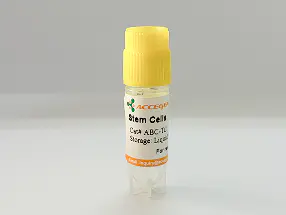
For research use only
| Cat No. | ABC-SC0070 |
| Product Type | Human Adult Stem Cells |
| Cell Type | Stem Cell |
| Species | Human |
| Growth Conditions | 37 ℃, 5% CO2 |
| Source Organ | Hypothalamic |
| Disease | Normal |
| Storage | Liquid Nitrogen |
Human Neuronal Stem Cell (Hypothalamic); Frozen Vial and Plated cells are available.
HighQC™ Human Neuronal Stem Cell (NSCs) (Hypothalamic) are regionally specified neural stem cells. These cells exhibit an elongated bipolar morphology and grow as adherent monolayers in defined culture conditions. These cells express hallmark hypothalamic progenitor markers including RAX, NKX2.1, SIM1, OTP, alongside canonical stemness markers SOX2 and NESTIN. These molecular profiles recapitulate early-stage human hypothalamic development, enabling reproducible lineage-specific differentiation. Karyotype analyses confirm genomic integrity in early passages. These human hypothalamic NSCs retain multipotency and are capable of further differentiation into neuropeptidergic neurons that resemble arcuate and paraventricular hypothalamic subtypes. Each lot undergoes rigorous screening and isolation procedures, and is rigorously tested to ensure it is free of contamination from HIV-1, HBV, HCV, syphilis, mycoplasma, fungi, yeast, and bacteria.
| Product Code | HighQC™ Human Neuronal Stem Cell (Hypothalamic), Human Hypothalamic NSC, hHypo-NSC, Human Neural Stem Cells |
| Species | Human |
| Cat.No | ABC-SC0070 |
| Product Category | Stem Cells |
| Size/Quantity | 1 vial |
| Cell Type | Stem Cell |
| Growth Mode | Adherent |
| Shipping Info | Dry Ice |
| Growth Conditions | 37 ℃, 5% CO2 |
| Source Organ | Hypothalamic |
| Disease | Normal |
| Biosafety Level | 1 |
| Storage | Liquid Nitrogen |
| Product Type | Human Adult Stem Cells |
HighQC™ Hypothalamic NSCs serve as a versatile in vitro model for exploring human hypothalamic development, neuroendocrine signaling, and metabolic regulation. These cells can be differentiated into specific hypothalamic neuronal subtypes to investigate mechanisms underlying obesity, energy homeostasis, endocrine disorders, and neuropeptide-mediated behavior. They are particularly suitable for modeling diseases such as monogenic obesity, Prader-Willi syndrome, and hypothalamic dysfunction. Their compatibility with high-content imaging and gene expression assays also makes them ideal for neurotoxicity testing and drug discovery targeting hormone-regulated pathways.
When you publish your research, please cite our product as "AcceGen Biotech Cat.# XXX-0000". In return, we’ll give you a $200 coupon. Simply click here and submit your paper’s PubMed ID (PMID).