Description
Growing and expanding primary, differentiated adult cells in culture is difficult and laborious because many differentiated cells can only be maintained in vitro for a limited period of time. However, for controlled experiments, it may be necessary to maintain a consistent population of cells.
Maintaining a population of adult stem cells (ASCs), allows one to exponentially propagate a population of cells in vitro, and induce differentiation when desired. This is possible with SACK cell strains and specified cell culture conditions.
SACK ASC cell properties – Long-term propagation in xanthosine (Xs)-supplemented medium
Suppressed asymmetric cell kinetics
Differentiated progeny cell properties – Xs-free medium, confluent monolayer, serum reduction
Hepatocyte Properties
Albumin secretionAlpha-fetoprotein secretion (indicates presence of hepatoblasts)Alpha 1-antitrypsin expressionH4 hepatocyte antigen expressionInducible cytochrome P450 activity (CYP1A1, CYP1A2) Constitutive cytochrome P450 metabolism (CYP2E1)Spheroid formationBinucleation
Biliary Properties
CK7 expression (biliary epithelial cell marker)
| Product Code |
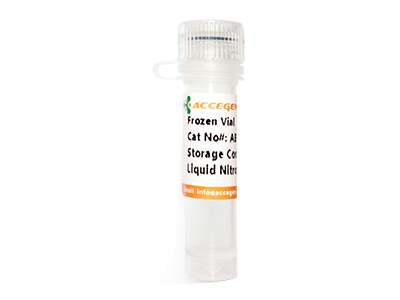
HighQC™ SACK-Xs Lig-8 Clonal Adult Rat Hepatocytic Stem Cell, rHepSC-Lig8, Adult Rat Hepatocytic Stem Cells (Clonal)
|
| Species |
Rat
|
| Cat.No |
ABC-SC0108T
|
| Product Category |
Stem Cells |
| Size/Quantity |
1 vial
|
| Cell Type |
Stem Cell
|
| Growth Mode |
Adherent
|
| Shipping Info |
Dry Ice
|
| Growth Conditions |
37 ℃, 5% CO2
|
| Source Organ |
Cold blood
|
| Disease |
Normal
|
| Biosafety Level |
1
|
| Storage |
Liquid Nitrogen
|
| Product Type |
Animal Adult Stem Cells
|