



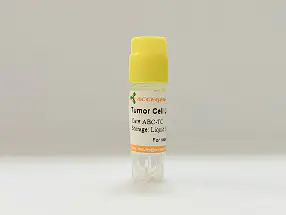
For research use only
| Cat No. | ABC-TC0386 |
| Product Type | Mouse Pancreas Cell Lines |
| Cell Type | Epithelial |
| Species | Hamster |
| Growth Conditions | 37 ℃, 5% CO2 |
| Source Organ | Pancreas |
| Product Code | HIT T15; HIT.T15; HIT T-15; HITT15; HIT clone T15; Hamster Islet Transformed-Tioguanine resistant clone 15; HIT |
HIT-T15 cells, from Syrian hamster islet cells transformed with SV40, are used for insulin secretion, beta-cell biology, and endocrine function research.
HIT-T15 is a pancreatic β-cell line derived from a hamster insulinoma originally established by transfection with SV40 large T antigen. These cells were isolated from an inbred male Syrian golden hamster and display epithelial morphology characterized by tight cell-cell junctions and monolayer growth. HIT-T15 cells retain many physiological features of primary islet β-cells, including glucose-stimulated insulin secretion and expression of key β-cell markers such as insulin, PDX-1, and GLUT2. Cytogenetic analysis reveals an aneuploid karyotype, which is typical of immortalized β-cell lines. These cells are tumorigenic in immunocompromised mice. The cells undergo stringent screening and testing procedures to ensure they are free from contamination by Mycoplasma, fungi, yeast, and bacteria.
| Product Code | HIT T15; HIT.T15; HIT T-15; HITT15; HIT clone T15; Hamster Islet Transformed-Tioguanine resistant clone 15; HIT |
| Species | Hamster |
| Cat.No | ABC-TC0386 |
| Product Category | Tumor Cell Lines |
| Size/Quantity | 1 vial |
| Cell Type | Epithelial |
| Growth Mode | Adherent |
| Shipping Info | Dry Ice |
| Growth Conditions | 37 ℃, 5% CO2 |
| Source Organ | Pancreas |
| Biosafety Level | 1 |
| Storage | Liquid Nitrogen |
| Product Type | Mouse Pancreas Cell Lines |
HIT-T15 cells serve as a widely used in vitro model for investigating pancreatic β-cell biology, insulin secretion mechanisms, and glucose metabolism. Their robust glucose responsiveness and sustained insulin gene expression make them ideal for diabetes-related studies and screening of insulinotropic compounds. These cells are also employed in evaluating β-cell toxicity, oxidative stress responses, and signaling pathways involved in β-cell dysfunction during diabetes progression.
When you publish your research, please cite our product as “AcceGen Biotech Cat.# XXX-0000”. In return, we’ll give you a $200 coupon. Simply click here and submit your paper’s PubMed ID (PMID).