



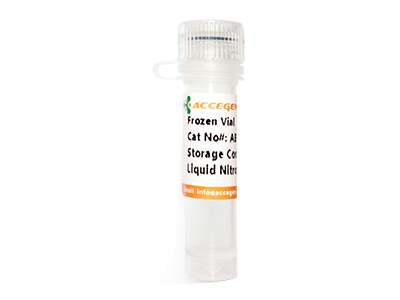
For research use only
| Cat No. | ABC-TC139W |
| Product Type | Stem Cell |
| Cell Type | Stem Cell |
| Species | Human |
| Growth Conditions | 37 °C, 5% CO2 |
| Source Organ | Peripheral Blood |
| Disease | Normal |
| Storage | Liquid Nitrogen |
Human Mobilized Peripheral Blood CD34+ Hematopoietic Stem Cells play a crucial role in stem cell transplantation and regenerative medicine studies.
Human Mobilized Peripheral Blood CD34⁺ Hematopoietic Stem Cells (mPB-CD34⁺ HSCs) are obtained through leukapheresis following mobilization of donors using granulocyte-colony stimulating factor (G-CSF), either alone or in combination with the CXCR4 antagonist plerixafor, and subsequently enriched using immunomagnetic selection techniques. These cells contain a substantial population of primitive CD34⁺CD38⁻ progenitor cells with excellent post-thaw viability and proven capacity for robust multilineage engraftment in vivo. Compared to traditional bone marrow harvest, peripheral blood collection is less invasive and results in significantly higher CD34⁺ yields. mPB-CD34⁺ HSCs are widely utilized in hematopoietic stem cell transplantation, gene therapy research, xenograft models, and ex vivo culture studies.
| Species | Human |
| Cat.No | ABC-TC139W |
| Quality Control | All cells test negative for mycoplasma, bacteria, yeast, and fungi. |
| Product Category | Primary Cells |
| Size/Quantity | 1 vial |
| Cell Type | Stem Cell |
| Growth Mode | Suspension |
| Shipping Info | Dry Ice |
| Growth Conditions | 37 °C, 5% CO2 |
| Source Organ | Peripheral Blood |
| Disease | Normal |
| Biosafety Level | 1 |
| Storage | Liquid Nitrogen |
| Product Type | Stem Cell |
For research use only.
Human mPB‑CD34⁺ HSCs are used clinically for autologous and allogeneic transplantation to restore hematopoiesis after chemo- or radiotherapy. They are essential for preclinical engraftment models in humanized mice and immune reconstitution studies. In research contexts, these cells support ex vivo expansion protocols using cytokine–small molecule cocktails to enhance stemness and yield. Additionally, they are invaluable in gene therapy testing, stem cell quality control, and scalable regenerative medicine applications requiring high-quality human HSCs.