

For research use only
| Cat No. | ABC-TC091L |
| Product Type | Ureteral Cells |
| Cell Type | Smooth Muscle Cell |
| Species | Human |
| Growth Conditions | 37 ℃, 5% CO2 |
| Source Organ | Ureter |
| Disease | Normal |
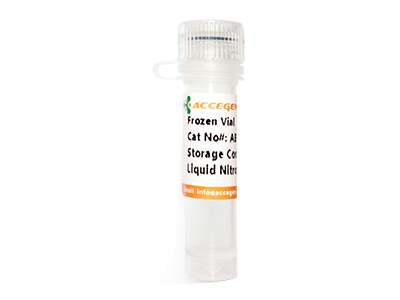
| Storage | Liquid Nitrogen |
Human Ureteral Smooth Muscle Cells support urinary tract biology studies, contractility research, and pharmacological screening applications.
The ureters are connected the renal pelvis and the bladder, is a pair of slender tubes with a flat cylindrical shape and the average diameter is 0.5-0.7 cm. The length of adult ureter is 25-35 cm, locate behind the retroperitoneum and descend vertically into the pelvis along the inside of the psoas muscle. The ureteral wall consists of three layers. The outermost fascia tissue, which surrounds the entire renal pelvis and ureter, rich in blood vessels and nerve fibers; in the middle have three layers of muscles, the inner and outer layers are longitudinal muscles, the middle layer is circular muscles; the innermost is the mucous layer. The mucous layer is the innermost layer, which is consistent with the renal pelvis and bladder mucosa. There are abundant lymphatic vessels in the submucosa. It is one of the ways of the kidney’s downward and bladder’s upward infection. The physiological function of the ureter is to expel urine from the renal pelvis to the bladder. The transport of urine within the ureter is not a passive process, but is actively performed by ureteral peristalsis.
| Species | Human |
| Cat.No | ABC-TC091L |
| Quality Control | All cells test negative for mycoplasma, bacteria, yeast, and fungi. |
| Product Category | Primary Cells |
| Size/Quantity | 1 vial |
| Cell Type | Smooth Muscle Cell |
| Growth Mode | Adherent |
| Shipping Info | Dry Ice |
| Growth Conditions | 37 ℃, 5% CO2 |
| Source Organ | Ureter |
| Disease | Normal |
| Biosafety Level | 1 |
| Storage | Liquid Nitrogen |
| Product Type | Ureteral Cells |
For research use only
When you publish your research, please cite our product as “AcceGen Biotech Cat.# XXX-0000”. In return, we’ll give you a $100 coupon. Simply click here and submit your paper’s PubMed ID (PMID).