• Buy 1 Get 1 FREE for immortalized cells| limited time until end of June

  • Boost Your Research with FREE Freezing Medium

Tumor Cell Lines

KARPAS 1718

  • For research use only

Cat No.

ABC-TC0490

Product Type

Human Lymphoma Cell Lines

Cell Type

Lymphoblast

Species

Human

Growth Conditions

37 ℃, 5% CO2

Disease

Lymphoma

Product Code

KARPAS-1718; Karpas 1718; KARPAS 1718; K1718

Leverage KARPAS 1718 for lymphoma biology, modeling transformed splenic lymphoma with villous lymphocytes, and advancing hematologic cancer research.

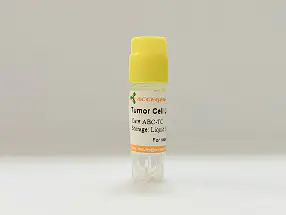
Product Image

Description

KARPAS 1718 is a human splenic marginal zone lymphoma cell line derived from the peripheral blood of a patient diagnosed with transformed splenic lymphoma with villous lymphocytes. The cells grow in suspension with lymphoblast‑like morphology typical of B‑cell lymphoma and have been profiled at transcriptomic and copy‑number levels, supporting studies of lymphoma biology and cytokine‑mediated proliferation. Functional characterization shows responsiveness to IL‑10 signaling and expression of B‑cell lineage markers, providing a relevant model for investigating transcriptional regulation and resistance mechanisms in lymphoma. The line is suitable for in vitro assays of proliferation, signaling pathway modulation, and drug screening, while evidence for in vivo metastatic potential is not broadly defined. The cells undergo rigorous screening and isolation procedures, and are rigorously tested to ensure they are free of contamination from HIV‑1, HBV, HCV, Syphilis, Mycoplasma, Fungi, Yeast, and Bacteria.

Product Code

KARPAS-1718; Karpas 1718; KARPAS 1718; K1718

Species

Human

Cat.No

ABC-TC0490

Product Category

Tumor Cell Lines

Size/Quantity

1 vial

Cell Type

Lymphoblast

Growth Mode

Suspension

Shipping Info

Dry Ice

Growth Conditions

37 ℃, 5% CO2

Disease

Lymphoma

Biosafety Level

1

Storage

Liquid Nitrogen

Product Type

Human Lymphoma Cell Lines

Application

  • KARPAS 1718 is widely used as an in vitro model of human splenic marginal zone lymphoma for studies of tumor cell proliferation, cytokine-regulated signaling pathways such as IL‑10, and transcriptional profiling of lymphoma biology. It supports investigation of therapeutic responses, mechanisms of drug resistance, comparative analyses of B‑cell lymphoma subtypes, evaluation of targeted agents and immunomodulatory compounds, and functional studies of proliferation, apoptosis, and gene regulation in hematologic cancer research.

Citation

When you publish your research, please cite our product as “AcceGen Biotech Cat.# XXX-0000”. In return, we’ll give you a $200 coupon. Simply click here and submit your paper’s PubMed ID (PMID).

Frequently Asked Questions

  • What are the common problems during KARPAS 1718 cultivation and how to solve them?

    Cultivating KARPAS 1718 cells, a human lymphoma cell line, can present several challenges. Here are some common problems and strategies to address them:

    Common Problems and Solutions
    1. Poor Cell Viability
    Problem: Cells show low viability after thawing or during culture.
    Solution: Ensure gentle handling during thawing. Quickly thaw the vial in a 37°C water bath and immediately transfer to pre-warmed complete medium. Use fresh, high-quality FBS and other supplements. Maintain optimal incubation conditions (37°C, 5% CO2) and avoid temperature fluctuations.
    2. Slow Growth or Stagnation
    Problem: Cells grow slowly or stop proliferating.
    Solution: Ensure the medium is fresh and contains all necessary supplements. KARPAS 1718 cells typically require RPMI-1640 medium supplemented with 10-20% FBS and 1% Penicillin-Streptomycin. Check for proper cell density; excessively high or low densities can affect growth. Ideally, maintain cell density between 2 x 10^5 to 1 x 10^6 cells/mL. Perform regular medium changes to provide fresh nutrients and remove waste.
    3. Contamination
    Problem: Bacterial, fungal, or mycoplasma contamination.
    Solution: Practice strict aseptic techniques, including working in a sterile biosafety cabinet. Use antibiotics cautiously and consider regular mycoplasma testing. If contamination is detected, discard the contaminated culture and thoroughly disinfect the work area.

  • How often should the medium be changed for KARPAS 1718 cells?

    For KARPAS 1718 cells, the medium should typically be changed every 2-3 days. This ensures that the cells have a consistent supply of nutrients and that waste products do not accumulate to toxic levels. However, the exact frequency may vary based on the cell density, growth rate, and specific conditions of your culture system. Regular monitoring of the cells and the medium is recommended to adjust the feeding schedule as needed.

  • What is the recommended seeding density for KARPAS 1718 cells?

    The recommended seeding density for KARPAS 1718 cells can vary depending on the specific experimental setup and the growth characteristics of the cells. Here are some general guidelines:

    Initial Seeding Density: Typically, KARPAS 1718 cells are seeded at a density ranging from 1 × 10^5 to 5 × 10^5 cells per milliliter (cells/mL) of medium.

    Experimental Needs: The exact seeding density can be adjusted based on the experimental requirements, such as the growth rate needed, the time frame of the experiment, and the desired cell density at harvest.

    Confluence: For routine maintenance and passage, cells are often seeded to reach about 70-80% confluence at the time of subculture or experimental treatment to ensure healthy growth and avoid over-confluence.

    Optimization: It’s advisable to perform optimization experiments to determine the ideal seeding density for your specific experimental conditions, as cell lines can vary in their growth characteristics and requirements.

    If you have specific experimental goals or constraints, adjusting the seeding density accordingly can help optimize cell growth and experimental outcomes.


Inquiring KARPAS 1718

We know how valuable your research is to you, but are you wondering what you can expect to pay for quick accurate results every time? Fill out a request in the form below and we’ll get back to you within 24 hours with a quote.
High Viability
To succeed in cell culture
Precision and Reliability
To support a consistent result
Customization Options
Tailed to your research

Tags

AcceGen Scroll Top Button