



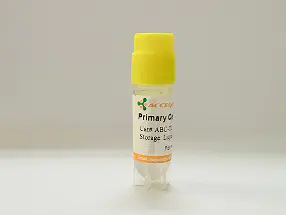
For research use only
| Cat No. | ABC-TC4025 |
| Product Type | Porcine Primary Cells |
| Cell Type | Endothelial |
| Species | Porcine |
| Growth Conditions | 37 ℃, 5% CO2 |
| Source Organ | Aortic |
| Disease | Normal |
| Storage | Liquid Nitrogen |
Porcine large artery endothelial cells are derived from healthly, plaque free porcine.
Porcine Aortic Endothelial Cells are derived from the aorta of healthy, plaque-free pigs and cryopreserved after primary culture. They express markers including von Willebrand factor (vWF), CD34, CD146, and VEGF receptors. These cells are widely used in cardiovascular research to investigate endothelial function, atherosclerosis, and vascular homeostasis. They are particularly useful for testing candidate drugs that may affect endothelial integrity and inflammation, contributing to the development of novel cardiovascular therapies. In addition, these cells are applied in xenotransplantation studies to understand immune rejection and compatibility mechanisms between pig organs and human recipients. These cells exhibit limited proliferative capacity in vitro and should not undergo repeated freeze-thaw cycles during handling. The cells undergo rigorous screening and isolation procedures, and are rigorously tested to ensure they are free of contamination from Mycoplasma, Fungi, Yeast, and Bacteria.
| Product Code | Porcine Aortic Endothelial Cells, Pig Aorta Endothelial Cells, Porcine Aortic ECs, Aortic Endothelial Cells Pig |
| Species | Porcine |
| Cat.No | ABC-TC4025 |
| Product Category | Primary Cells |
| Size/Quantity | 1 vial |
| Cell Type | Endothelial |
| Growth Mode | Adherent |
| Shipping Info | Dry Ice |
| Growth Conditions | 37 ℃, 5% CO2 |
| Source Organ | Aortic |
| Disease | Normal |
| Biosafety Level | 1 |
| Storage | Liquid Nitrogen |
| Product Type | Porcine Primary Cells |
| Quality Control | All cells test negative for mycoplasma, bacteria, yeast, and fungi. |
Porcine Aortic Endothelial Cells are extensively used to study vascular physiology, endothelial dysfunction, and cardiovascular disease mechanisms. They offer a relevant model for investigating atherosclerosis, inflammation, and thrombosis due to physiological similarities with human endothelium. These cells are also utilized in testing anti-atherosclerotic drugs, vascular graft materials, and immune rejection in xenotransplantation, contributing to the development of cardiovascular therapeutics.
When you publish your research, please cite our product as “AcceGen Biotech Cat.# XXX-0000”. In return, we’ll give you a $200 coupon. Simply click here and submit your paper’s PubMed ID (PMID).