
For research use only
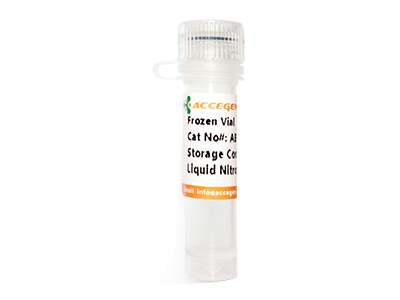
| Cat No. | ABC-TC141W |
| Product Type | Leydig Cell |
| Cell Type | Leydig Cell |
| Species | Rat |
| Growth Conditions | 37 °C, 5% CO2 |
| Source Organ | Testicles |
| Disease | Normal |
| Storage | Liquid Nitrogen |
Rat Leydig Cells are essential for studying steroidogenesis, testosterone biosynthesis, endocrine regulation and regenerative medicine applications.
Rat Leydig Cells (RLCs) are primary interstitial cells harvested from adult rat testes via Percoll-gradient centrifugation. These cells synthesize testosterone through luteinizing hormone (LH) stimulation of the luteinizing hormone/choriogonadotropin receptor (LHCGR), triggering the cyclic adenosine monophosphate–protein kinase A (cAMP–PKA) pathway to upregulate steroidogenic acute regulatory protein (StAR) and cytochrome P450 enzymes. RLCs respond to interleukin‑1α (IL‑1α), growth hormone, and insulin‑like growth factor I (IGF‑I) by enhancing testosterone and dihydrotestosterone production. As a robust in vitro model, RLCs are fundamental for studying steroidogenesis, endocrine control, and Leydig cell biology.
| Species | Rat |
| Cat.No | ABC-TC141W |
| Quality Control | All cells test negative for mycoplasma, bacteria, yeast, and fungi. |
| Product Category | Primary Cells |
| Size/Quantity | 1 vial |
| Cell Type | Leydig Cell |
| Growth Mode | Adherent |
| Shipping Info | Dry Ice |
| Growth Conditions | 37 °C, 5% CO2 |
| Source Organ | Testicles |
| Disease | Normal |
| Biosafety Level | 1 |
| Storage | Liquid Nitrogen |
| Product Type | Leydig Cell |
For research use only.
Rat Leydig Cells (RLCs) are employed in steroidogenic regulation research, quantifying testosterone and dihydrotestosterone output after LH, IL‑1α, growth hormone, or IGF‑I stimulation. They are central to toxicology screens assessing inhibitors of steroidogenic enzymes (e.g., CYP11A1) and endocrine disruptors. RLCs also support developmental biology studies on Leydig stem cell maturation and paracrine/endocrine regulation, providing insight into testicular function and repair mechanisms.