



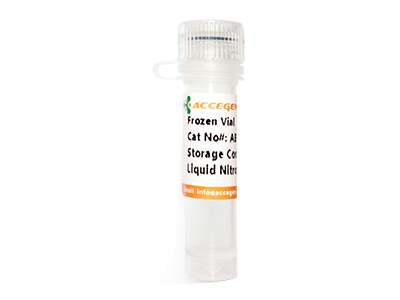
For research use only
| Cat No. | ABC-KH013Y |
| Product Type | Knockout Stable Cell Line |
| Cell Type | Epithelial |
| Species | Human |
| Host Cell | 293T |
| Source Organ | Kidney |
| Disease | Normal |
| Storage | Liquid Nitrogen |
SIRT6 Knockout 293T Cell Line by AcceGen enables detailed study of aging-related processes, genomic instability, and metabolic dysregulation pathways.
SIRT6 Knockout 293T Cell Line is engineered from human embryonic kidney 293T cells through CRISPR/Cas9-mediated disruption of the Sirtuin 6 (SIRT6) gene, a NAD+-dependent deacetylase and mono-ADP-ribosyltransferase involved in genomic stability, DNA repair, and metabolic regulation. This knockout model exhibits altered stress response and metabolic dysregulation while maintaining 293T cells’ characteristic adherent growth with epithelial morphology and high transfection efficiency. The cell line serves as a powerful tool for studying aging-related processes, cancer metabolism, and inflammatory responses, particularly in research involving telomere maintenance, glycolysis regulation, and NFκB signaling. Maintained at low passage numbers (<P20) with genetic stability, the knockout efficiency is validated through genomic PCR, Sanger sequencing, and Western blot analysis. The cell line has undergone rigorous quality control and is certified free of contamination from HIV-1, HBV, HCV, Syphilis, mycoplasma, fungi, yeast, and bacteria.
| Species | Human |
| Cat.No | ABC-KH013Y |
| Product Category | Transfected Stable Cell Lines |
| Size/Quantity | 1 vial |
| Cell Type | Epithelial |
| Growth Mode | Adherent |
| Shipping Info | Dry Ice |
| Growth Conditions | 37 ℃, 5% CO2 |
| Source Organ | Kidney |
| Disease | Normal |
| Biosafety Level | 1 |
| Storage | Liquid Nitrogen |
| Product Type | Knockout Stable Cell Line |
| Host Cell | 293T |
| Gene Info | SIRT6 |
| Quality Control | All cells test negative for mycoplasma, bacteria, yeast, and fungi. |
The SIRT6 Knockout 293T Cell Line is a valuable model for studying genomic stability, metabolic regulation, and aging-related pathways. This engineered cell line facilitates research on SIRT6’s role in DNA repair, inflammation control, and cellular stress responses. Researchers can utilize this system to investigate metabolic disorders, neurodegenerative diseases, and potential anti-aging therapies. The knockout cells provide a controlled platform for examining SIRT6’s involvement in tumor suppression and lifespan regulation, offering insights for therapeutic development in age-related diseases.