



• Buy 1 Get 1 FREE for immortalized cells| limited time until end of June

  • Boost Your Research with FREE Freezing Medium

Tumor Cell Lines

3T3 L1

  • For research use only

Cat No.

ABC-TC0011

Product Type

Mouse Embryo Cell Lines

Cell Type

Fibroblast

Species

Mouse

Growth Conditions

37 ℃, 5% CO2

Source Organ

Embryo

Disease

Normal

Product Code

3T3-L1; 3T3L1; 3T3-L1 ad; NIH-3T3-L1; NIH3T3-L1

3T3 L1 is a continuous strain of 3T3 developed through clonal isolation.

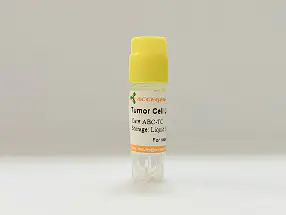
Product Image

Description

3T3-L1 cell line is a continuous murine preadipocyte cell line derived from Swiss mouse embryonic fibroblasts via clonal isolation, notable for its loss of contact inhibition. Under adipogenic induction, the cells differentiate into lipid-laden, adipocyte-like cells, accumulating lipid droplets and expressing adipose-specific genes. These cells are spindle-shaped when undifferentiated and adopt rounded, lipid-filled morphology upon induction. Transcriptomic profiling has confirmed upregulation of metabolic pathways and mitochondria-related genes during differentiation. Cytogenetically, 3T3-L1 retains a near-tetraploid karyotype typical of NIH-3T3 derivatives. The line is non-tumorigenic. The cells undergo rigorous screening and isolation procedures, and are rigorously tested to ensure they are free of contamination from Mycoplasma, Fungi, Yeast, and Bacteria.

Product Code

3T3-L1; 3T3L1; 3T3-L1 ad; NIH-3T3-L1; NIH3T3-L1

Species

Mouse

Cat.No

ABC-TC0011

Product Category

Tumor Cell Lines

Size/Quantity

1 vial

Cell Type

Fibroblast

Growth Mode

Adherent

Shipping Info

Dry Ice

Growth Conditions

37 ℃, 5% CO2

Source Organ

Embryo

Disease

Normal

Biosafety Level

1

Storage

Liquid Nitrogen

Product Type

Mouse Embryo Cell Lines

Application

  • 3T3-L1 cells are a cornerstone model for adipogenesis and metabolic disease research. They are widely used to study lipid accumulation, adipocyte gene regulation, and insulin signaling. Recent studies employ 3T3-L1 to investigate the effects of nutrients, cytokines, or bioactive compounds on differentiation and browning processes, including analysis of mitochondrial function, lysosomal activity, and adipogenic transcription factors like PPARγ and C/EBPs. They also serve in co-culture systems to evaluate adipocyte–tumor cell interactions.

Citation

When you publish your research, please cite our product as “AcceGen Biotech Cat.# XXX-0000”. In return, we’ll give you a $200 coupon. Simply click here and submit your paper’s PubMed ID (PMID).

Inquiring 3T3 L1

We know how valuable your research is to you, but are you wondering what you can expect to pay for quick accurate results every time? Fill out a request in the form below and we’ll get back to you within 24 hours with a quote.
High Viability
To succeed in cell culture
Precision and Reliability
To support a consistent result
Customization Options
Tailed to your research

Tags

AcceGen Scroll Top Button