



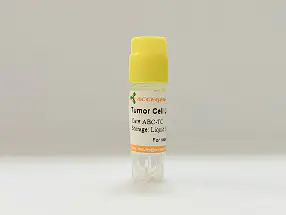
For research use only
| Cat No. | ABC-TC0075 |
| Product Type | Bovine Endothelial Cell Lines |
| Cell Type | Endothelial |
| Species | Bos Taurus |
| Growth Conditions | 37 ℃, 5% CO2 |
| Source Organ | Aorta |
| Product Code | Bovine Fetal Aorta |
Bovine aorta endothelium foetal. Derived from a bovine foetus.
BFA (Bovine foetal aortic endothelium) cells are primary endothelial cells derived from the thoracic aorta of Holstein cow fetuses. These cells display classic cobblestone morphology and form tight, confluent monolayers under standard culture conditions. Clonal strains demonstrate a limited but robust replicative lifespan while maintaining a normal diploid karyotype. They express endothelial markers including factor VIII (von Willebrand factor) and show ecto-kinase activity that phosphorylates surface 21 kDa proteins in response to extracellular ATP. Confocal imaging confirms stable intercellular junctions and the ability to sprout when over-confluent—an angiogenic-like behavior also observed in other bovine aortic endothelial models. These cells are cryopreserved at an early passage. The cells undergo stringent screening and testing procedures to ensure they are free from contamination by Mycoplasma, fungi, yeast, and bacteria.
| Product Code | Bovine Fetal Aorta |
| Species | Bos Taurus |
| Cat.No | ABC-TC0075 |
| Product Category | Tumor Cell Lines |
| Size/Quantity | 1 vial |
| Cell Type | Endothelial |
| Growth Mode | Adherent |
| Shipping Info | Dry Ice |
| Growth Conditions | 37 ℃, 5% CO2 |
| Source Organ | Aorta |
| Biosafety Level | 1 |
| Storage | Liquid Nitrogen |
| Product Type | Bovine Endothelial Cell Lines |
BFA cells serve as a physiologically relevant in vitro model for laboratory research and investigations into their scientific significance in vascular biology. Their sprouting capability upon confluence makes them particularly useful for investigating capillary-like tube formation and vessel remodeling. Researchers employ these cells in mechanotransduction assays—such as disturbed-versus laminar-flow studies—to explore shear-stress-induced Rac activation and endothelial polarity. Additionally, their robust ecto-kinase response to ATP provides a valuable platform for probing purinergic signaling in vascular inflammation and thrombosis.
When you publish your research, please cite our product as “AcceGen Biotech Cat.# XXX-0000”. In return, we’ll give you a $200 coupon. Simply click here and submit your paper’s PubMed ID (PMID).