



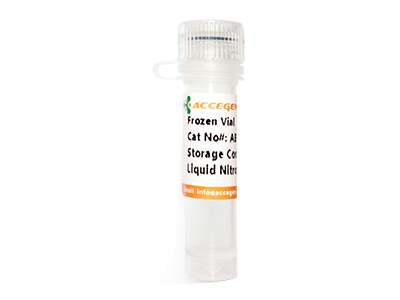
For research use only
| Cat No. | ABC-TC135W |
| Product Type | Preadipocytes |
| Cell Type | Preadipocytes |
| Species | Bovine |
| Growth Conditions | 37 °C, 5% CO2 |
| Source Organ | Adipose |
| Disease | Normal |
| Storage | Liquid Nitrogen |
Bovine Preadipocytes are used in adipogenesis, lipid metabolism, and cultured meat scaffold research—ideal for marbling and cell culture studies.
Bovine preadipocytes are fibroblast-like primary cells derived from the stromal vascular fraction (SVF) of subcutaneous or perimuscular adipose tissue in cattle. These cells possess strong proliferative potential and can effectively undergo adipogenic differentiation upon induction, characterized by lipid droplet formation and increased expression of adipogenic markers such as PPARγ, C/EBPα, FABP4, and ACC1. Moreover, they exhibit responsiveness to various regulatory cues, including BMP2, microRNAs, and All-trans retinoic acid, which modulate their adipogenic potential. These properties make bovine preadipocytes a valuable in vitro model for exploring adipogenesis, lipid metabolism pathways, and as a cellular component in the development of cultured meat scaffolding systems.
| Species | Bovine |
| Cat.No | ABC-TC135W |
| Quality Control | All cells test negative for mycoplasma, bacteria, yeast, and fungi. |
| Product Category | Primary Cells |
| Size/Quantity | 1 vial |
| Cell Type | Preadipocytes |
| Growth Mode | Adherent |
| Shipping Info | Dry Ice |
| Growth Conditions | 37 °C, 5% CO2 |
| Source Organ | Adipose |
| Disease | Normal |
| Biosafety Level | 1 |
| Storage | Liquid Nitrogen |
| Product Type | Preadipocytes |
For research use only.
Bovine preadipocytes are widely used for adipogenic differentiation assays—inducing lipid accumulation and transcription factor expression under insulin/dexamethasone/IBMX/rosiglitazone protocols. They support nutrigenomics studies (e.g., glucose, CLA) and investigation of signaling modulators like TGF‑β3, BMP2, miRNAs, and ATRA. These cells serve as testbeds for metabolic intervention, cultured‑meat scaffold integration, and understanding fat–muscle cell interactions.