


For research use only
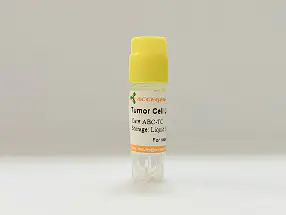
| Cat No. | ABC-TC0081 |
| Product Type | Rat Liver Cell Lines |
| Cell Type | Epithelial |
| Species | Rattus Norvegicus |
| Growth Conditions | 37 ℃, 5% CO2 |
| Source Organ | Liver |
| Product Code | BRL3A; BRL 3A; Buffalo Rat Liver-3A |
Leverage BRL-3A cells to investigate hepatic function, polypeptide secretion, and the role of multiplication stimulating activity in liver biology
BRL-3A is a fibroblast cell line derived in 1976 from the liver tissue of healthy male Buffalo rat. These cells exhibit typical fibroblast morphology, including a polygonal shape and firm adherence to culture surfaces, and demonstrate rapid growth under standard adherent culture conditions. Although comprehensive karyotypic profiles are not consistently reported across repositories, the line is generally considered genomically stable, typical of non-transformed cells. BRL-3A cells secrete functional peptide growth factors—collectively termed Multiplication-Stimulating Activity (MSA), supporting both autocrine proliferation and mitogenic stimulation of other fibroblast cultures. Additionally, BRL-3A cells retain several characteristics of primary hepatocytes, including the ability to synthesize albumin and other serum proteins, rendering them a valuable tool for hepatocellular studies and liver metabolism research. The cells undergo stringent screening and testing procedures to ensure they are free from contamination by Mycoplasma, fungi, yeast, and bacteria.
| Product Code | BRL3A; BRL 3A; Buffalo Rat Liver-3A |
| Species | Rattus Norvegicus |
| Cat.No | ABC-TC0081 |
| Product Category | Tumor Cell Lines |
| Size/Quantity | 1 vial |
| Cell Type | Epithelial |
| Growth Mode | Adherent |
| Shipping Info | Dry Ice |
| Growth Conditions | 37 ℃, 5% CO2 |
| Source Organ | Liver |
| Biosafety Level | 1 |
| Storage | Liquid Nitrogen |
| Product Type | Rat Liver Cell Lines |
BRL-3A serves as a robust in vitro model for hepatic biology and is widely used in studies exploring the BRL 3A scientific significance in growth factor signaling, liver regeneration, and hepatotoxicology. Its conditioned medium, enriched in MSA, supports investigation into paracrine proliferative effects on fibroblast cells and other responsive cells. Additionally, BRL-3A is frequently used to assess hepatotoxic responses, drug metabolism, and cytotoxic effects of environmental agents, leveraging its epithelial characteristics and endogenous enzyme activity. Due to its hepatic origin and metabolic competence, the line is well-suited for screening hepatotoxic compounds and exploring liver-specific signaling pathways.
When you publish your research, please cite our product as “AcceGen Biotech Cat.# XXX-0000”. In return, we’ll give you a $200 coupon. Simply click here and submit your paper’s PubMed ID (PMID).