



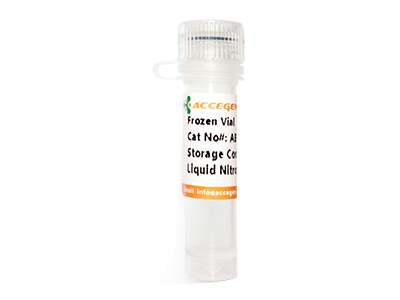
For research use only
| Cat No. | ABC-TC0122 |
| Product Type | Human Brain Cancer Cell Lines |
| Cell Type | Astrocytic |
| Species | Human |
| Growth Conditions | 37 ℃, 5% CO2 |
| Source Organ | Brain |
| Disease | Astrocytoma |
| Product Code | CCFSTTG1; STTG1 |
CCF-STTG1 astrocytoma cells show high proliferation, polyploidy, astrocyte morphology, used in CNS tumor, neuroinflammation, and glioma research.
CCF STTG1 is a human astrocytoma grade IV cell line established from the brain tumor of a 68-year-old Caucasian female. These adherent cells display stellate, astrocyte-like morphology with perinuclear acid phosphatase activity and are amenable to continuous passaging. Approximately 70–80% of the population expresses GFAP, confirming their glial origin, while 20–30% express HLA-DR, suggesting limited antigen-presenting capability. Transcriptomic analyses reveal elevated expression of CDK6, LBP, CPM, and ER stress–associated proteins such as GRP78. Genetically, CCF STTG1 cells are PTEN mutant and TP53 wild-type, exhibiting molecular features consistent with high-grade gliomas. They respond to nitric oxide donors and autophagy modulators, making them a valuable in vitro model for investigating glioblastoma pathogenesis, stress response pathways, and therapeutic agent screening.
| Product Code | CCFSTTG1; STTG1 |
| Species | Human |
| Cat.No | ABC-TC0122 |
| Product Category | Tumor Cell Lines |
| Size/Quantity | 1 vial |
| Cell Type | Astrocytic |
| Growth Mode | Adherent |
| Shipping Info | Dry Ice |
| Growth Conditions | 37 ℃, 5% CO2 |
| Source Organ | Brain |
| Disease | Astrocytoma |
| Biosafety Level | 1 |
| Storage | Liquid Nitrogen |
| Product Type | Human Brain Cancer Cell Lines |
The CCF-STTG1 cell line is widely used in neuroscience research. It provides a reliable model for studying the production of apolipoprotein E (apoE) in astrocytes, enabling exploration of the regulatory mechanisms governing apoE synthesis. It also supports drug development studies focused on how psychotropic agents affect lipid transport in CNS and liver cells. Furthermore, this cell line is important for analyzing the regulation of cholesterol transport proteins, particularly apoE, thereby contributing to our understanding of neurobiological and metabolic processes.
When you publish your research, please cite our product as “AcceGen Biotech Cat.# XXX-0000”. In return, we’ll give you a $200 coupon. Simply click here and submit your paper’s PubMed ID (PMID).