



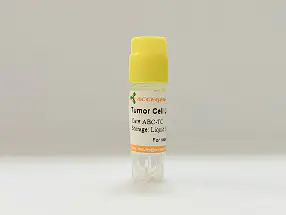
For research use only
| Cat No. | ABC-TC0256 |
| Product Type | Rat Thyroid Cell Lines |
| Species | Rat |
| Growth Conditions | 37 ℃, 5% CO2 |
| Product Code | FRT-L; FR-TL; Fischer Rat Thyroid in Low-serum |
The cells accumulate iodide intracellularly.
FRTL (Fischer Rat Thyroid Low Serum) is a spontaneously immortalized cell line originally isolated from the thyroid gland of a 6-week-old Fischer 344 rat. This adherent epithelial line exhibits cobblestone morphology and forms polarized monolayers in vitro with unique hormone-dependent growth, requiring TSH and insulin supplementation for proliferation. Cytogenetic studies reveal that FRTL‑5 frequently exhibits a nondiploid (tetraploid or aneuploid) karyotype, and expresses key thyroid functional markers such as thyroglobulin (Tg). FRTL-5 is non-tumorigenic and serves as a physiologically relevant model for thyroid cell biology in both in vitro and in vivo contexts. The cells undergo rigorous screening and isolation procedures, and are rigorously tested to ensure they are free of contamination from Mycoplasma, Fungi, Yeast, and Bacteria.
| Product Code | FRT-L; FR-TL; Fischer Rat Thyroid in Low-serum |
| Species | Rat |
| Cat.No | ABC-TC0256 |
| Product Category | Tumor Cell Lines |
| Size/Quantity | 1 vial |
| Shipping Info | Dry Ice |
| Growth Conditions | 37 ℃, 5% CO2 |
| Biosafety Level | 1 |
| Storage | Liquid Nitrogen |
| Product Type | Rat Thyroid Cell Lines |
| Host Cell | 293T |
FRTL serves as a specialized in vitro model for studying thyroid follicular cell physiology and pathology. For example, by investigating TSH receptor signaling and thyroglobulin synthesis regulation, this system elucidates molecular mechanisms underlying thyroid dysfunction in conditions like goiter. These applications support drug screening for thyroid-targeted therapeutics and toxicity testing of endocrine disruptors, aiding development of treatments for thyroid disorders.
When you publish your research, please cite our product as “AcceGen Biotech Cat.# XXX-0000”. In return, we’ll give you a $200 coupon. Simply click here and submit your paper’s PubMed ID (PMID).