



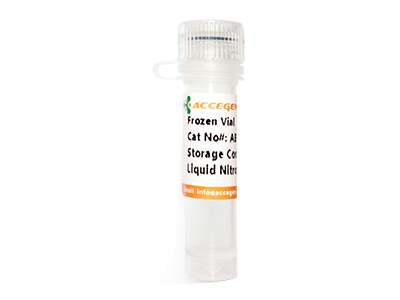
For research use only
| Cat No. | ABC-RC029F |
| Product Type | Reporter Stable Cell Lines |
| Cell Type | Epithelial |
| Species | Hamster |
| Host Cell | CHO-K1 |
| Source Organ | Ovary |
| Disease | Normal |
| Storage | Liquid Nitrogen |
GIPR Reporter CHO-K1 Cell Line is engineered for screening GIP receptor ligands and studying metabolic signaling pathways relevant to diabetes and obesity.
Gastric Inhibitory Polypeptide Receptor (GIPR) is a protein encoded by the GIPR gene in the human body, activated by gastric inhibitory polypeptide (GIP), and is a member of the G protein-coupled receptor family. GIPR is primarily present in the beta cells of the pancreas. Activation of GIPR by gastric inhibitory polypeptide leads to the activation of adenylyl cyclase through binding with the heterotrimeric Gs (αβγ) protein, increasing the levels of cAMP in the cytoplasm. The elevation of cAMP activates PKA, phosphorylating transcriptional regulatory proteins and causing their translocation to the nucleus.The GIPR Reporter CHO-K1 Cell Lineis a reporter gene cell line constructed based on the GIPR signaling pathway. When gastric inhibitory polypeptide binds with its receptor, GIPR, it phosphorylates transcriptional regulatory proteins, thus activating the expression of Luciferase. Luciferase readings represent the activation effect of the signaling pathway and can therefore be used for in vitro evaluation of GIPR-related drugs.
| Species | Hamster |
| Cat.No | ABC-RC029F |
| Quality Control | All cells test negative for mycoplasma, bacteria, yeast, and fungi. |
| Product Category | Transfected Stable Cell Lines |
| Size/Quantity | 1 vial |
| Cell Type | Epithelial |
| Growth Mode | Adherent |
| Shipping Info | Dry Ice |
| Growth Conditions | 37 ℃, 5% CO2 |
| Source Organ | Ovary |
| Disease | Normal |
| Biosafety Level | 1 |
| Storage | Liquid Nitrogen |
| Product Type | Reporter Stable Cell Lines |
| Host Cell | CHO-K1 |
For research use only
When you publish your research, please cite our product as “AcceGen Biotech Cat.# XXX-0000”. In return, we’ll give you a $100 coupon. Simply click here and submit your paper’s PubMed ID (PMID).