


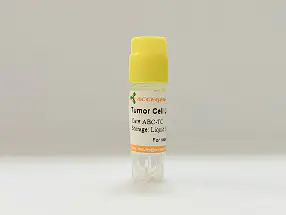
For research use only
| Cat No. | ABC-TC0276 |
| Product Type | Mouse Kidney Cell Lines |
| Species | Mouse |
| Growth Conditions | 37 ℃, 5% CO2 |
| Source Organ | Embryo |
| Disease | Normal |
| Product Code | GP+E86; GP/E-86; GP-E-86; GP-E86; GP#E86; GP E86 |
Species: mouse, NIH Swiss; Tissue: kidney, embryonic
GPE-86 is a murine transformed packaging cell line derived from NIH 3T3 embryonic fibroblasts (NIH Swiss mouse embryo). The cells exhibit a fibroblast-like morphology with an elongated, spindle-shaped appearance and grow as a strictly adherent monolayer, forming parallel arrays at confluence. The line was established by electroporation of two plasmids into NIH 3T3 cells. One plasmid contained the gag and pol genes of Moloney murine leukemia virus (Mo-MuLV), and the other contained the envelope glycoprotein G gene of vesicular stomatitis virus (VSV-G). The cells undergo rigorous screening and isolation procedures, and are rigorously tested to ensure they are free of contamination from Mycoplasma, Fungi, Yeast, and Bacteria.
| Product Code | GP+E86; GP/E-86; GP-E-86; GP-E86; GP#E86; GP E86 |
| Species | Mouse |
| Cat.No | ABC-TC0276 |
| Product Category | Tumor Cell Lines |
| Size/Quantity | 1 vial |
| Shipping Info | Dry Ice |
| Growth Conditions | 37 ℃, 5% CO2 |
| Source Organ | Embryo |
| Disease | Normal |
| Biosafety Level | 1 |
| Storage | Liquid Nitrogen |
| Product Type | Mouse Kidney Cell Lines |
GPE-86 cell line is a murine-derived retroviral packaging system engineered for robust production of replication-defective viral vectors. It stably expresses Moloney murine leukemia virus (MoMuLV) gag-pol polyproteins and env glycoproteins, enabling efficient gene delivery essential for functional genomics and cell therapy applications. This system reliably generates high-titer viral preparations while maintaining full compliance with standardized biosafety protocols.
When you publish your research, please cite our product as “AcceGen Biotech Cat.# XXX-0000”. In return, we’ll give you a $200 coupon. Simply click here and submit your paper’s PubMed ID (PMID).