

For research use only
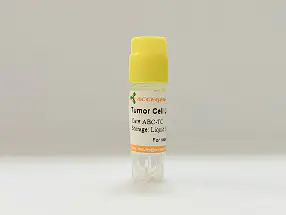
| Cat No. | ABC-TC0377 |
| Product Type | Mouse Liver Cancer Cell Lines |
| Species | Mouse |
| Growth Conditions | 37 ℃, 5% CO2 |
| Product Code | HEPCBR-1H, HEP CBR 1H, HEP-CBR1H |
HEP-CBR-1H cell line is a human hepatocellular carcinoma model used for liver cancer biology, drug testing, metabolism, and translational research.
HEP-CBR-1H HEP-CBR-1H was derived from primary hepatocellular carcinoma tissue in C3H/He mice induced by an intraperitoneal injection of N-nitrosodiethylamine (NDEA), providing a highly controlled experimental model that closely mimics liver cancer development. Currently, no karyotype data is available for this cell line. The HEP-CBR-1H cell line is highly suitable for in vitro studies of liver metabolism, inflammation, drug-drug interactions, and hepatotoxicity screening. It is also utilized in liver disease modeling, enzyme function analysis, and drug development. The cells undergo rigorous screening and isolation procedures, and are rigorously tested to ensure they are free of contamination from Mycoplasma, Fungi, Yeast, and Bacteria.
| Product Code | HEPCBR-1H, HEP CBR 1H, HEP-CBR1H |
| Species | Mouse |
| Cat.No | ABC-TC0377 |
| Product Category | Tumor Cell Lines |
| Size/Quantity | 1 vial |
| Shipping Info | Dry Ice |
| Growth Conditions | 37 ℃, 5% CO2 |
| Biosafety Level | 1 |
| Storage | Liquid Nitrogen |
| Product Type | Mouse Liver Cancer Cell Lines |
HEP-CBR-1H is valuable for studies into hepatocyte metabolism, inflammation-mediated signaling, and drug-drug interaction testing. These epithelial liver-derived cells can model phase I/II enzyme activities and cytokine responsiveness, making them suitable for preclinical hepatotoxicity screening, liver disease modeling, and drug metabolism research. Their ability to maintain differentiated hepatic functions over extended culture periods further strengthens their utility in long-term experimental protocols.
When you publish your research, please cite our product as “AcceGen Biotech Cat.# XXX-0000”. In return, we’ll give you a $200 coupon. Simply click here and submit your paper’s PubMed ID (PMID).