



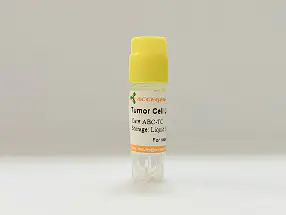
For research use only
| Cat No. | ABC-TC0376 |
| Product Type | Mouse Liver Cancer Cell Lines |
| Cell Type | Epithelial |
| Species | Mouse |
| Growth Conditions | 37 ℃, 5% CO2 |
| Product Code | Hepa 1c1c7; Hepa1c1c7; Hepa 1-clc7 |
Hepa-1c1c7 cell line is a murine hepatoma model widely used in toxicology, xenobiotic metabolism, and cancer biology research for drug discovery.
Hepa-1c1c7 is a mouse hepatoma cell line cloned from chemically induced liver tumors in C57L mice. This cell line forms adherent epithelial monolayers and expresses high levels of the aryl hydrocarbon receptor (AhR), with strong induction of cytochrome P450 1A1 activity upon toxin exposure. It is aneuploid and ideal for studies on xenobiotic metabolism, environmental carcinogenesis, and receptor-mediated gene regulation. Non-tumorigenic in nude mice, Hepa-1c1c7 cell line is regularly employed in toxicology, metabolic assays, and environmental health research. The cells undergo rigorous screening and isolation procedures, and are rigorously tested to ensure they are free of contamination from Mycoplasma, Fungi, Yeast, and Bacteria.
| Product Code | Hepa 1c1c7; Hepa1c1c7; Hepa 1-clc7 |
| Species | Mouse |
| Cat.No | ABC-TC0376 |
| Product Category | Tumor Cell Lines |
| Size/Quantity | 1 vial |
| Cell Type | Epithelial |
| Growth Mode | Adherent |
| Shipping Info | Dry Ice |
| Growth Conditions | 37 ℃, 5% CO2 |
| Biosafety Level | 1 |
| Storage | Liquid Nitrogen |
| Product Type | Mouse Liver Cancer Cell Lines |
Hepa-1c1c7 cells are commonly used in toxicology and xenobiotic response studies, particularly involving the aryl hydrocarbon receptor (AhR) pathway and CYP1A1 induction. These mouse hepatoma cells can be used for assessing environmental toxin impacts, drug-drug interactions, and gene regulation in liver metabolism. This cell line serves well in in vitro screening of hepatotoxic compounds and mechanistic studies of carcinogen activation and detoxification.
When you publish your research, please cite our product as “AcceGen Biotech Cat.# XXX-0000”. In return, we’ll give you a $200 coupon. Simply click here and submit your paper’s PubMed ID (PMID).