



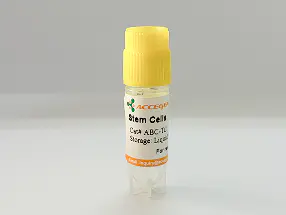
For research use only
| Cat No. | ABC-SC0141 |
| Product Type | Human Adult Stem Cells |
| Cell Type | Cardiomyocyte |
| Species | Human |
| Growth Conditions | 37 ℃, 5% CO2 |
| Source Organ | Heart |
| Disease | Normal |
| Storage | Liquid Nitrogen |
Human Cardiomyocytes transdifferentiated from Human Cord Blood derived Stem Cell;
Human Cardiomyocytes transdifferentiated from Human Cord Blood derived Stem Cell; Frozen Vial and Plated cells are available. Cells are only guaranteed with purchase of AcceGen Media and AcceGen Extra Cellular Matrix for appropriate cell culture, for 30 days from the date of shipment.
| Product Code | HighQC™ Human Cardiomyocytes Differentiation, From Human Stem Cell, Human Differentiated Cardiomyocytes, hCM-Diff, Human Stem Cell Derived Cardiomyocytes |
| Species | Human |
| Cat.No | ABC-SC0141 |
| Product Category | Stem Cells |
| Size/Quantity | 1 vial |
| Cell Type | Cardiomyocyte |
| Growth Mode | Adherent |
| Shipping Info | Dry Ice |
| Growth Conditions | 37 ℃, 5% CO2 |
| Source Organ | Heart |
| Disease | Normal |
| Biosafety Level | 1 |
| Storage | Liquid Nitrogen |
| Product Type | Human Adult Stem Cells |
When you publish your research, please cite our product as "AcceGen Biotech Cat.# XXX-0000". In return, we’ll give you a $200 coupon. Simply click here and submit your paper’s PubMed ID (PMID).
Cardiomyocytes are derived from iPSCs generated from newborn and adult female donors.
The iPSCs are generated from human skin fibroblasts using an RNA-based Sendai virus reprogramming system to deliver reprogramming factors
No genetic selection or molecular manipulation–based purification methods are used, minimizing genotoxicity risks. The final product contains >40% iPSC-derived cardiomyocytes, with the remaining population composed of functional cardiac support cells, forming a physiologically relevant mixed preparation.
Yes. These cardiomyocytes are suitable for a wide range of applications, including electrophysiology studies, multi-electrode array (MEA) analysis, high-content imaging, viability and toxicity screening, cardiac disease modeling, and cardiac safety pharmacology.