



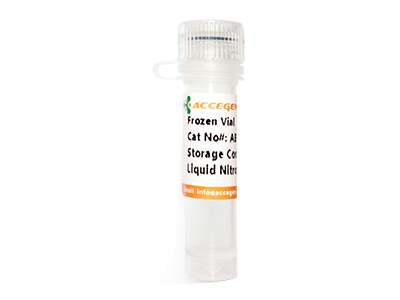
For research use only
| Cat No. | ABC-SC209Y |
| Product Type | Induced pluripotent stem cell-Derived cells (iPSC-Derived cells) |
| Cell Type | Brain Cell |
| Species | Human |
| Growth Conditions | 37 ℃, 5% CO2 |
| Source Organ | iPSC-derived |
| Disease | Normal |
| Storage | Liquid Nitrogen |
Explore Human iPSC-Derived Glutamatergic Neurons. Ideal for neuroscience research, our normal cell models ensure high-quality results and reproducibility.
HighQC™ Human iPSC-Derived Glutamatergic Neurons (GFP-labeled, Normal) are fully differentiated, functional excitatory neurons generated from healthy donor iPSCs. Produced through a defined transcription factor and small-molecule induction protocol, these neurons display typical excitatory neuronal morphology and express key glutamatergic markers, including VGLUT2, MAP2, and TUJ1. GFP labeling enables real-time imaging and tracking of neuronal morphology, synapse formation, and network connectivity. Cultured in Human Glutamatergic Neuron Maturation Medium, they exhibit robust and progressively increasing neural activity, forming functional excitatory synaptic networks. These neurons are ideal for neurodevelopment research, disease modeling, neurotoxicity testing, and high-throughput drug screening.The cells are rigorously tested to ensure they are free of contamination from HIV-1, HBV, HCV, Syphilis, Mycoplasma, Fungi, Yeast and Bacteria.
| Species | Human |
| Cat.No | ABC-SC209Y |
| Quality Control | All cells test negative for mycoplasma, bacteria, yeast, and fungi. |
| Product Category | Stem Cells |
| Size/Quantity | 1 vial |
| Cell Type | Brain Cell |
| Growth Mode | Adherent |
| Shipping Info | Dry Ice |
| Growth Conditions | 37 ℃, 5% CO2 |
| Source Organ | iPSC-derived |
| Disease | Normal |
| Biosafety Level | 1 |
| Storage | Liquid Nitrogen |
| Product Type | Induced pluripotent stem cell-Derived cells (iPSC-Derived cells) |
For Research Use Only.
When you publish your research, please cite our product as “AcceGen Biotech Cat.# XXX-0000”. In return, we’ll give you a $100 coupon. Simply click here and submit your paper’s PubMed ID (PMID).