


For research use only
| Cat No. | ABC-SC0084 |
| Product Type | Human Adult Stem Cells |
| Cell Type | Stem Cell |
| Species | Human |
| Growth Conditions | 37 ℃, 5% CO2 |
| Source Organ | Skin |
| Disease | Normal |
| Storage | Liquid Nitrogen |
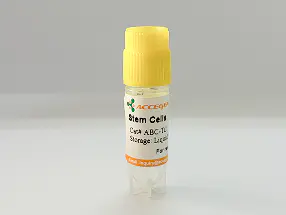
Human Melanoblast Stem Cell; Frozen Vial and Plated cells are available.
HighQC™ Human Melanoblast Stem Cells are isolated from human skin and expanded under defined conditions to preserve their melanocytic lineage potential and early developmental state. These bipolar or spindle-shaped precursor cells express early melanocyte lineage markers such as MITF, SOX10, and DCT, while lacking markers of fully differentiated melanocytes such as tyrosinase (TYR). They demonstrate robust proliferative ability, self-renewal, and are capable of differentiating into mature, pigment-producing melanocytes under melanogenic induction protocols. These melanoblasts are valuable for studying pigmentation biology, developmental disorders, melanocyte maturation, and stem cell lineage commitment in vitro. Each lot undergoes rigorous screening and isolation procedures, and is rigorously tested to ensure it is free of contamination from HIV-1, HBV, HCV, syphilis, mycoplasma, fungi, yeast, and bacteria.
| Product Code | HighQC™ Human Melanoblast Stem Cell, Human Melanocyte Progenitor SC, hMelSC, Human Melanoblast Cells |
| Species | Human |
| Cat.No | ABC-SC0084 |
| Product Category | Stem Cells |
| Size/Quantity | 1 vial |
| Cell Type | Stem Cell |
| Growth Mode | Adherent |
| Shipping Info | Dry Ice |
| Growth Conditions | 37 ℃, 5% CO2 |
| Source Organ | Skin |
| Disease | Normal |
| Biosafety Level | 1 |
| Storage | Liquid Nitrogen |
| Product Type | Human Adult Stem Cells |
HighQC™ Human Melanoblast Stem Cells serve as an essential tool for investigating human skin pigmentation, melanocyte development, and the regulation of melanogenesis under physiological or pathological conditions. They are ideal for drug screening related to pigmentation disorders (e.g., vitiligo, melasma, or hyperpigmentation), melanoma initiation studies, and toxicology assays assessing melanin pathway interference or epidermal cell viability. These cells also support exploration of gene-environment interactions influencing skin color and UV response.
When you publish your research, please cite our product as "AcceGen Biotech Cat.# XXX-0000". In return, we’ll give you a $200 coupon. Simply click here and submit your paper’s PubMed ID (PMID).