



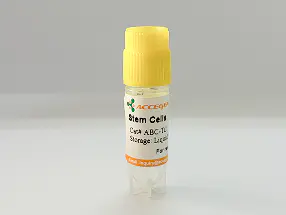
For research use only
| Cat No. | ABC-SC0023 |
| Product Type | Animal Adult Stem Cells |
| Cell Type | Stem Cell |
| Species | Rat |
| Growth Conditions | 37 ℃, 5% CO2 |
| Source Organ | Breast |
| Disease | Normal |
| Storage | Liquid Nitrogen |
Rat Breast Stem Cells; Frozen Vial and Plated cells are available.
HighQC™ Rat Breast Stem Cells are isolated from the mammary gland tissue of healthy postnatal female rats and represent a multipotent epithelial progenitor population responsible for mammary gland morphogenesis and remodeling. These cells exhibit adherent, cobblestone-like morphology in culture and express basal and luminal stem/progenitor markers including CD24, CD29. Under differentiation-inducing conditions, they give rise to both luminal and myoepithelial lineages. These stem cells demonstrate self-renewal, high proliferative potential, and responsiveness to hormonal factors that regulate mammary development and regeneration. Each lot undergoes rigorous screening and isolation procedures, and is rigorously tested to ensure it is free of contamination from mycoplasma, fungi, yeast, and bacteria.
| Product Code | HighQC™ Rat Breast Stem Cell, Rat Mammary Stem Cells, Rat MaSCs |
| Species | Rat |
| Cat.No | ABC-SC0023 |
| Product Category | Stem Cells |
| Size/Quantity | 1 vial |
| Cell Type | Stem Cell |
| Growth Mode | Adherent |
| Shipping Info | Dry Ice |
| Growth Conditions | 37 ℃, 5% CO2 |
| Source Organ | Breast |
| Disease | Normal |
| Biosafety Level | 1 |
| Storage | Liquid Nitrogen |
| Product Type | Animal Adult Stem Cells |
HighQC™ Rat Breast Stem Cells, a rat adipose-derived breast stem cell line, are ideal for investigating breast development, hormonal signaling, and epithelial lineage plasticity. They support studies of mammary regeneration, fibrosis, breast cancer initiation, and endocrine disruption. Their bipotency and stability make them suitable for modeling mammary branching morphogenesis, drug screening, and organoid formation. They also enable detailed analysis of cell fate regulation and stem cell–niche interactions during postnatal gland remodeling and hormonal cycling.
When you publish your research, please cite our product as "AcceGen Biotech Cat.# XXX-0000". In return, we’ll give you a $200 coupon. Simply click here and submit your paper’s PubMed ID (PMID).