



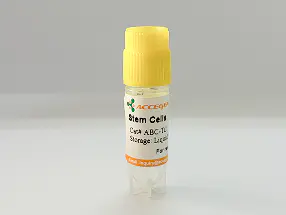
For research use only
| Cat No. | ABC-SC0015 |
| Product Type | Animal Adult Stem Cells |
| Cell Type | Stem Cell |
| Species | Rat |
| Growth Conditions | 37 ℃, 5% CO2 |
| Source Organ | Inferior Mesenteric Plexus |
| Disease | Normal |
| Storage | Liquid Nitrogen |
Rat Inferior Mesenteric Plexus Neuronal Stem Cells; Frozen Vial and Plated cells are available.
HighQC™ Rat Inferior Mesenteric Plexus Neuronal Stem Cells (R-IMPSC) are derived from the autonomic ganglia of the inferior mesenteric plexus in postnatal rats and represent a population of enteric neural crest–derived progenitors. These cells exhibit neurosphere-forming ability and display small, bipolar or multipolar morphology consistent with early neuronal stem cells. They express canonical neural stem/progenitor markers including Nestin, and Sox10, and can differentiate into enteric neurons and glial cells under lineage-specific conditions. These neuronal stem cells demonstrate self-renewal capacity and are responsive to neurotrophic and morphogenic signals, such as brain-derived neurotrophic factor (BDNF) and glial cell line-derived neurotrophic factor (GDNF), enabling their use in modeling enteric neurogenesis and peripheral neuroplasticity. Each lot undergoes rigorous screening and isolation procedures, and is rigorously tested to ensure it is free of contamination from mycoplasma, fungi, yeast, and bacteria.
| Product Code | HighQC™ Rat Inferior Mesenteric Plexus Neuronal Stem Cell, Rat IMP Neuronal Stem Cells, Rat Enteric NSCs |
| Species | Rat |
| Cat.No | ABC-SC0015 |
| Product Category | Stem Cells |
| Size/Quantity | 1 vial |
| Cell Type | Stem Cell |
| Growth Mode | Adherent |
| Shipping Info | Dry Ice |
| Growth Conditions | 37 ℃, 5% CO2 |
| Source Organ | Inferior Mesenteric Plexus |
| Disease | Normal |
| Biosafety Level | 1 |
| Storage | Liquid Nitrogen |
| Product Type | Animal Adult Stem Cells |
HighQC™ Rat Inferior Mesenteric Plexus Neuronal Stem Cells, a rat enteric neural stem cell line, provide a valuable model for investigating enteric nervous system (ENS) development, autonomic neuropathies, and neuronal regeneration. They are suitable for research on pelvic nerve circuits, Hirschsprung-like conditions, and gastrointestinal dysfunctions. As Rat mesenteric plexus progenitors, their differentiation potential supports drug screening, neurotransmitter studies, and regenerative strategies targeting pelvic autonomic pathways. They further enable functional assays of neurotrophic responsiveness and glial differentiation under disease-mimicking or injury-induced conditions.
When you publish your research, please cite our product as "AcceGen Biotech Cat.# XXX-0000". In return, we’ll give you a $200 coupon. Simply click here and submit your paper’s PubMed ID (PMID).