



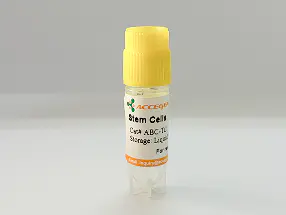
For research use only
| Cat No. | ABC-SC0002 |
| Product Type | Animal Adult Stem Cells |
| Cell Type | Stem Cell |
| Species | Rat |
| Growth Conditions | 37 ℃, 5% CO2 |
| Source Organ | Retina |
| Disease | Normal |
| Storage | Liquid Nitrogen |
Rat Retinal Stem Cells; Frozen Vial and Plated cells are available.
HighQC™ Rat Retinal Stem Cells (R-RSCs) are isolated from the retina of healthy postnatal rats and represent a rare population of multipotent neural stem/progenitor cells capable of long-term self-renewal. These cells exhibit typical neuroepithelial morphology with adherent, bipolar or rosette-like structures under defined culture conditions. Rat retinal stem cells express canonical stem cell markers including Nestin and Pax6, and possess the potential to differentiate into retinal neurons, Müller glia, and photoreceptor-like cells when stimulated with lineage-specific factors. As retina-derived adult stem cells, they offer a valuable tool for modeling retinal neurogenesis, studying degenerative retinal diseases, and exploring therapeutic regeneration approaches. Each lot undergoes rigorous screening and isolation procedures, and is rigorously tested to ensure it is free of contamination from mycoplasma, fungi, yeast, and bacteria.
| Product Code | HighQC™ Rat Retinal Stem Cell, Rat Retinal Progenitor Cells, Rat RSCs |
| Species | Rat |
| Cat.No | ABC-SC0002 |
| Product Category | Stem Cells |
| Size/Quantity | 1 vial |
| Cell Type | Stem Cell |
| Growth Mode | Adherent |
| Shipping Info | Dry Ice |
| Growth Conditions | 37 ℃, 5% CO2 |
| Source Organ | Retina |
| Disease | Normal |
| Biosafety Level | 1 |
| Storage | Liquid Nitrogen |
| Product Type | Animal Adult Stem Cells |
HighQC™ Rat Retinal Stem Cells, rat retinal progenitor cells (RPCs), are ideal for investigating mechanisms of retinal development, neurogenesis, and cellular plasticity. They support studies of retinal degenerative diseases such as retinitis pigmentosa and age-related macular degeneration, as well as evaluation of neuroprotective compounds. Their ability to generate retinal lineage cells makes them valuable for cell-based therapy research, retinal repair models, and transplantation assays in vision restoration studies. They also serve as a platform to dissect signaling pathways involved in photoreceptor fate determination and Müller glia activation.
When you publish your research, please cite our product as "AcceGen Biotech Cat.# XXX-0000". In return, we’ll give you a $200 coupon. Simply click here and submit your paper’s PubMed ID (PMID).