



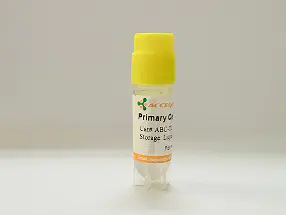
For research use only
| Cat No. | ABC-TC3465 |
| Product Type | Dermal Cells |
| Cell Type | Endothelial |
| Species | Human |
| Growth Conditions | 37 ℃, 5% CO2 |
| Source Organ | Dermal |
| Disease | Normal |
| Storage | Liquid Nitrogen |
HMVEC-d Neo Der MV Endothelial Cells enable dermal microvascular biology research, wound healing assays, and skin vascular function analysis in vitro.
HMVEC-d Neo Der MV Endothelial Cells are isolated from small vessels within skin tissue from neonatal foreskins. Following primary culture, these cells are cryopreserved. The cells retain key endothelial functions, including maintaining vascular integrity via barrier function, angiogenesis regulation and inflammatory response modulation. Their dysfunction is implicated in microvascular complications such as diabetic vasculopathy, sepsis-induced organ failure, and chronic skin disorders. These cells express characteristic endothelial markers including vWF and CD31. They also exhibit DiI-Ac-LDL uptake and demonstrate cytokine-induced leukocyte adhesion, confirming their functional relevance. To preserve integrity, repeated freezing and thawing should be avoided during culture. The cells undergo rigorous screening and isolation procedures, and are rigorously tested to ensure they are free of contamination from HIV-1, HBV, HCV, Syphilis, Mycoplasma, Fungi, Yeast, and Bacteria.
| Product Code | HMVEC-d Neonatal Dermal Microvascular Endothelial Cells, Human Neonatal Dermal MVECs, Dermal Microvascular ECs Neonatal, HMVEC-d Neo, Neonatal Skin MVECs |
| Species | Human |
| Cat.No | ABC-TC3465 |
| Product Category | Primary Cells |
| Size/Quantity | 1 vial |
| Cell Type | Endothelial |
| Growth Mode | Adherent |
| Shipping Info | Dry Ice |
| Growth Conditions | 37 ℃, 5% CO2 |
| Source Organ | Dermal |
| Disease | Normal |
| Biosafety Level | 1 |
| Storage | Liquid Nitrogen |
| Product Type | Dermal Cells |
| Quality Control | All cells test negative for mycoplasma, bacteria, yeast, and fungi. |
HMVEC-d Neo Der MV Endothelial Cells can be utilized as an in vitro microvascular model to study the pathogenesis of sepsis-induced multi-organ failure. Researchers can investigate PAR1-mediated barrier dysfunction, inflammatory cytokine-driven leukocyte adhesion, and coagulopathy mechanisms, providing insights into vascular leakage and endothelial injury. These applications elucidate the molecular mechanisms of this leakage and coagulopathy.
When you publish your research, please cite our product as “AcceGen Biotech Cat.# XXX-0000”. In return, we’ll give you a $200 coupon. Simply click here and submit your paper’s PubMed ID (PMID).