



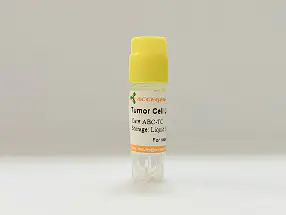
For research use only
| Cat No. | ABC-TC0426 |
| Product Type | Human Bladder Cancer Cell Lines |
| Species | Human |
| Growth Conditions | 37 ℃, 5% CO2 |
| Source Organ | Bladder |
| Disease | Bladder Cancer |
| Product Code | HT 1197; HT1197; HT 1197.T |
Organ: urinary bladder Disease: carcinoma
HT-1197 is a human urothelial carcinoma cell line originally isolated from a grade 4 transitional cell carcinoma of the urinary bladder in a 44-year-old Caucasian male patient with aggressive bladder cancer. HT-1197 cells exhibit epithelial-like morphology and grow as adherent monolayers in standard culture conditions. HT-1197 cells grow in soft agar and are tumorigenic in rodents, reflecting malignant behavior. Molecular analyses also indicate expression of adhesion-related molecules such as CD44 splice variants, which correlate with proliferative activity and phenotypic atypia in this line. The cells undergo rigorous screening and isolation procedures, and are rigorously tested to ensure they are free of contamination from HIV-1, HBV, HCV, Syphilis, Mycoplasma, Fungi, Yeast, and Bacteria.
| Product Code | HT 1197; HT1197; HT 1197.T |
| Species | Human |
| Cat.No | ABC-TC0426 |
| Product Category | Tumor Cell Lines |
| Size/Quantity | 1 vial |
| Growth Mode | Adherent |
| Shipping Info | Dry Ice |
| Growth Conditions | 37 ℃, 5% CO2 |
| Source Organ | Bladder |
| Disease | Bladder Cancer |
| Biosafety Level | 1 |
| Storage | Liquid Nitrogen |
| Product Type | Human Bladder Cancer Cell Lines |
HT-1197 cell line serves as an in vitro model of human urothelial (bladder) carcinoma for studying tumor cell proliferation, adhesion-associated signaling pathways, and chemotherapeutic responses. They are widely used in anticancer drug screening and mechanistic investigations of molecular drivers of bladder cancer progression, including assessments of invasive behavior and resistance-associated pathways.
When you publish your research, please cite our product as “AcceGen Biotech Cat.# XXX-0000”. In return, we’ll give you a $200 coupon. Simply click here and submit your paper’s PubMed ID (PMID).