



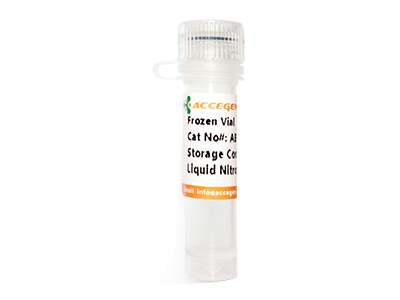
For research use only
| Cat No. | ABC-TC3663 |
| Product Type | Ocular Cells |
| Cell Type | keratinocyte |
| Species | Human |
| Growth Conditions | 37 ℃, 5% CO2 |
| Source Organ | Retina |
| Disease | Normal |
| Storage | Liquid Nitrogen |
Human Keratocytes are corneal stromal fibroblasts used to model ECM organization, corneal transparency maintenance, and wound healing dynamics.
Human Keratocytes (HKs), also known as corneal fibroblasts, are isolated from human corneal stroma. These cells exhibit a spindle-shaped or stellate morphology when cultured in vitro. As the primary cellular component of the corneal stroma, HKs play a crucial role in maintaining corneal transparency and structural integrity through the precise synthesis and organization of extracellular matrix components, particularly collagen fibrils (mainly type I and V) and keratan sulfate proteoglycans (such as lumican and keratocan) . They express markers such as lumican, keratocan, and in activated states, α-SMA. HKs are often utilized to model corneal diseases such as stromal fibrosis, keratoconus, and corneal scarring. In response to corneal injury, quiescent keratocytes undergo activation and phenotypic transformation into either fibroblasts or α-smooth muscle actin (α-SMA)-positive myofibroblasts, which actively participate in wound healing and tissue remodeling processes .
| Product Code | HK |
| Species | Human |
| Cat.No | ABC-TC3663 |
| Quality Control | All cells test negative for mycoplasma, bacteria, yeast, and fungi. |
| Product Category | Primary Cells |
| Size/Quantity | 1 vial |
| Cell Type | keratinocyte |
| Growth Mode | Adherent |
| Shipping Info | Dry Ice |
| Growth Conditions | 37 ℃, 5% CO2 |
| Source Organ | Retina |
| Disease | Normal |
| Biosafety Level | 1 |
| Storage | Liquid Nitrogen |
| Product Type | Ocular Cells |
| Key Features | -Backed by AcceGen advanced technology |
Human Keratocytes can be used to study the gene expression and therapeutic targets of the corneal inflammation. These cells can also be applied to study the excessive apoptosis of keratocytes and their role in pathological process in the degenerative corneal disorders.
When you publish your research, please cite our product as “AcceGen Biotech Cat.# XXX-0000”. In return, we’ll give you a $100 coupon. Simply click here and submit your paper’s PubMed ID (PMID).