



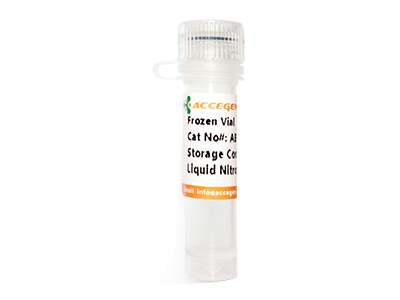
For research use only
| Cat No. | ABC-TC4042 |
| Product Type | Male Reproductive Cells |
| Cell Type | Stromal Cell |
| Species | Human |
| Growth Conditions | 37 ℃, 5% CO2 |
| Source Organ | Prostate |
| Disease | Normal |
| Storage | Liquid Nitrogen |
Human prostate stromal cells from BPH secrete IL-6 and BMP-6, express androgen and progesterone receptors, vital for hormone signaling studies.
Human Prostate Stromal Cells are primary cells isolated from the stromal compartment of healthy adult human prostate tissue. These cells are cryopreserved following primary culture. Prostate stromal cells play a critical role in maintaining prostate architecture, secreting growth factors, and regulating epithelial cell behavior through paracrine signaling. These bipolar, adherent cells exhibit typical mesenchymal morphology and express markers such as vimentin, α-smooth muscle actin (α-SMA), and CD90. Upon stimulation with TGF-β, they secrete cytokines such as IL-6 and BMP-6, which activate androgen receptor (AR) signaling in co-culture with prostate cancer cells. Additionally, they express progesterone receptors and influence cancer cell motility. Estrogen signaling through the ERK pathway also modulates their proliferative behavior. In vitro, these cells display limited proliferative capacity and is recommended to avoid repeated freeze-thaw cycles. Human Prostate Stromal Cells are ideal for studies on prostate disease mechanisms and hormone signaling pathways.
| Species | Human |
| Cat.No | ABC-TC4042 |
| Product Category | Primary Cells |
| Size/Quantity | 1 vial |
| Cell Type | Stromal Cell |
| Growth Mode | Adherent |
| Shipping Info | Dry Ice |
| Growth Conditions | 37 ℃, 5% CO2 |
| Source Organ | Prostate |
| Disease | Normal |
| Biosafety Level | 1 |
| Storage | Liquid Nitrogen |
| Product Type | Male Reproductive Cells |
| Quality Control | All cells test negative for mycoplasma, bacteria, yeast, and fungi. |
Human Prostate Stromal Cells are widely used in research on benign prostatic hyperplasia, prostatitis, and prostate cancer to elucidate disease mechanisms and identify therapeutic targets. They also contribute to reproductive biology by revealing cellular interactions in male reproductive physiology. Additionally, these cells support drug discovery efforts for prostate disorders, making them essential for advancing both fundamental knowledge and novel treatment development.
When you publish your research, please cite our product as “AcceGen Biotech Cat.# XXX-0000”. In return, we’ll give you a $200 coupon. Simply click here and submit your paper’s PubMed ID (PMID).