



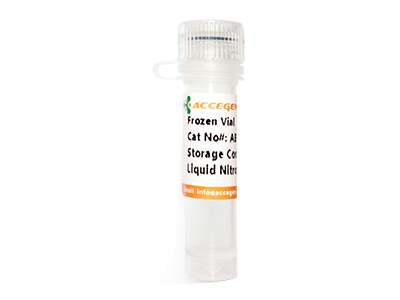
For research use only
| Cat No. | ABC-TC3832 |
| Product Type | Thyroid Cells |
| Cell Type | Fibroblast |
| Species | Human |
| Growth Conditions | 37 ℃, 5% CO2 |
| Source Organ | Thyroid |
| Disease | Normal |
| Storage | Liquid Nitrogen |
Human thyroid fibroblasts are FSP1+ vimentin+ spindle-like cells from normal thyroid, supporting ECM secretion, injury response, and tissue remodeling.
Human Thyroid Fibroblasts are derived from normal human thyroid tissue. They are derived from normal, non-diseased human thyroid tissue. The cells exhibit fibroblast morphology, appearing as long spindles, and grow in an adherent manner. Human thyroid fibroblasts secrete and synthesize extracellular matrix components critical for maintaining thyroid tissue structure and function. In addition, they play a central role in wound healing and can participate in thyroid tissue repair in response to injury and inflammatory signals. They express fibroblast markers such as vimentin and fibroblast-specific protein 1 (FSP1), detectable by immunocytochemistry or flow cytometry. Many diseases, such as thyroid fibrosis, are associated with abnormal activity of fibroblasts, and their abnormalities may lead to damage to the structure and function of thyroid tissue. In experimental applications, human thyroid fibroblasts are maintained in optimized culture systems as representative thyroid stromal cells to study fibroblast functions in thyroid physiology, tissue homeostasis, and disease progression.
| Product Code | HThF |
| Species | Human |
| Cat.No | ABC-TC3832 |
| Product Category | Primary Cells |
| Size/Quantity | 1 vial |
| Cell Type | Fibroblast |
| Growth Mode | Adherent |
| Shipping Info | Dry Ice |
| Growth Conditions | 37 ℃, 5% CO2 |
| Source Organ | Thyroid |
| Disease | Normal |
| Biosafety Level | 1 |
| Storage | Liquid Nitrogen |
| Product Type | Thyroid Cells |
| Key Features | -Backed by AcceGen advanced technology |
| Quality Control | All cells test negative for mycoplasma, bacteria, yeast, and fungi. |
Human Thyroid Fibroblasts can be used to study the pathogenesis of thyroid-related diseases, such as microenvironmental regulation of thyroid fibrosis, Hashimoto’s thyroiditis, and thyroid cancer. These cells can also be used to explore the interaction between fibroblasts and thyroid follicular cells, revealing the molecular pathways of immune cell infiltration and fibrosis development.
When you publish your research, please cite our product as “AcceGen Biotech Cat.# XXX-0000”. In return, we’ll give you a $200 coupon. Simply click here and submit your paper’s PubMed ID (PMID).